
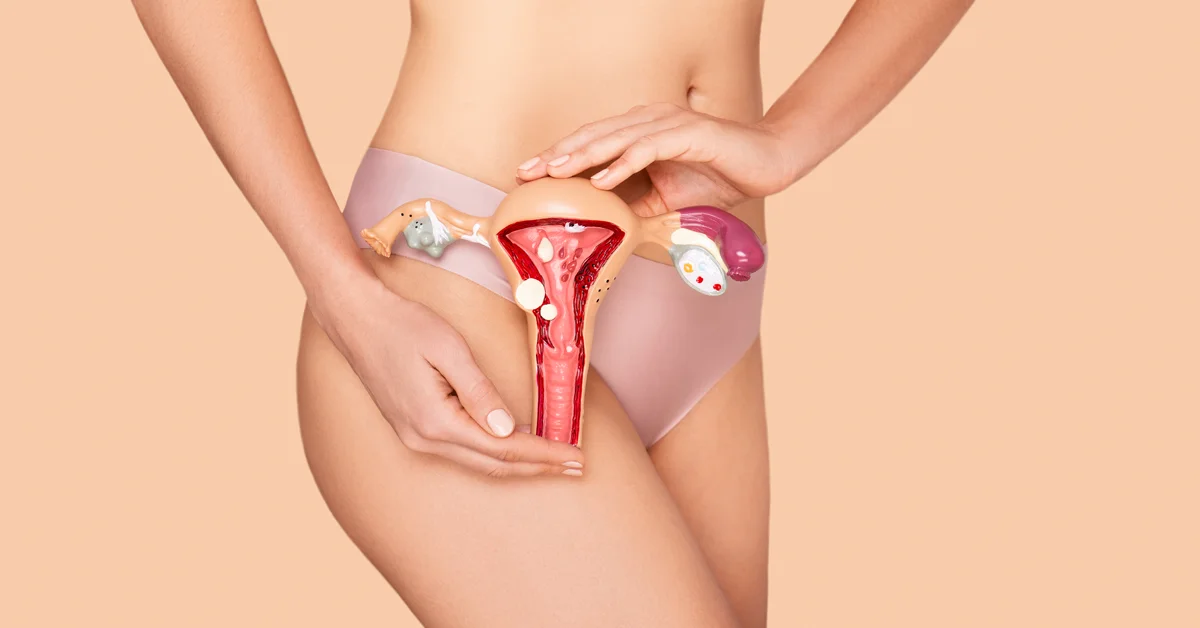
What Is Vaginal Tightening?
Vaginal tightening is a medical procedure aimed at improving the firmness and elasticity of the vaginal muscles and tissues. These tissues may be affected by factors such as natural childbirth, aging, or hormonal changes. This procedure is considered one of the vaginal aesthetic treatments and aims to restore harmony and comfort. It can be performed using surgical or non-surgical techniques, and the most appropriate method is determined based on a detailed medical evaluation for each case.
Why Does Vaginal Enlargement or Laxity Occur?
Vaginal enlargement or laxity occurs as a result of natural factors that affect tissue elasticity and the strength of the supporting muscles. These changes may be gradual or temporary and can vary among women depending on physical factors, hormonal changes, and lifestyle. The main causes include:
1- Natural childbirth: May cause stretching of the muscles and affect muscle tone.
2- Aging and hormonal changes: Especially after menopause.
3- Weakening of the pelvic floor muscles: Leads to reduced internal support.
4- Genetic factors and lifestyle: Such as lack of physical activity or physical strain.
When Does a Woman Need Vaginal Tightening?
Vaginal tightening is not always a necessary procedure; however, it may be considered when vaginal laxity affects comfort or quality of life. The decision is made based on medical evaluation. Vaginal tightening may be considered in the following situations:
- A feeling of loss of firmness or elasticity, especially after childbirth or with advancing age.
- Changes in sensation during sexual intercourse that affect satisfaction.
- Mild urinary control issues, such as leakage during physical effort.
- Negative impact on daily comfort and self-confidence.
Medical evaluation is the key factor in determining whether the procedure is appropriate.
Available Vaginal Tightening Methods
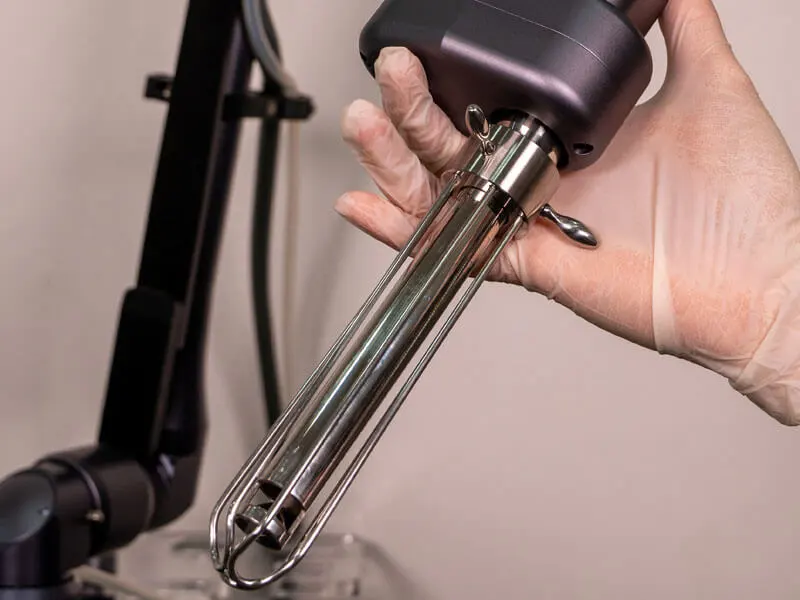
Laser Vaginal Tightening
Vaginal tightening using fractional laser is a non-surgical procedure that stimulates collagen production in the vaginal tissues. This helps improve firmness and elasticity, especially in mild to moderate cases of laxity. Here are the key points:
- Session duration: Usually 10 to 15 minutes.
- More than one session may be required to achieve the desired results.
- Suitable for individuals with mild or moderate vaginal laxity.
- Recovery time is short, allowing a quick return to daily activities.
- Results appear gradually as tissue elasticity improves.
- The cost is generally lower compared to surgical tightening.
- Anesthesia is usually local or applied as a topical cream.
Surgical Vaginal Tightening
Surgical vaginal tightening is applied in advanced cases of laxity that do not respond to non-surgical methods and aims to tighten the muscles and tissues. Compared to laser treatment, surgical procedures have some distinct characteristics:
- Operation duration: Approximately 1 to 1.5 hours.
- Repeat sessions are usually not required; results are achieved after the procedure.
- Suitable for severe sagging or laxity cases.
- Recovery period is longer: 4 to 6 weeks.
- The cost is higher compared to laser treatment.
- Anesthesia is typically general or spinal, depending on the case.
Difference Between Surgical and Non-Surgical Vaginal Tightening
Surgical and non-surgical vaginal tightening differ in terms of application method, level of medical intervention, and recovery time. This procedure is considered part of vaginal aesthetic treatments. The choice of method depends on the degree of laxity, overall health condition, and patient expectations. Surgical methods generally provide more noticeable results in advanced cases, as they are based on direct tightening of muscles and tissues.
Non-surgical methods (such as laser) stimulate collagen production and are therefore more suitable for mild to moderate cases. Surgical procedures require a longer recovery period, whereas non-surgical treatments offer a shorter downtime. Ultimately, surgical intervention is more complex and requires closer follow-up, while non-surgical methods involve more limited risks. In all cases, a detailed medical evaluation is essential for making the right decision.
| Laser Tightening | Surgical Tightening | |
| Nature of the procedure | Laser-induced collagen stimulation | Direct tightening of tissues |
| Duration | 10 to 15 minutes | 1 to 1.5 hours |
| Number of sessions | Repeat sessions may be required | One session is sufficient |
| Recovery time | Very short, quick return | 4 to 6 weeks |
| Cost | Lower | Higher |
| Anesthesia | Local anesthesia or topical cream | General anesthesia |
Stages of the Vaginal Tightening Procedure
The procedure steps consist of three main stages to ensure a safe experience and effective results.
Total Time: 1 hour and 30 minutes
Before the Procedure
A face-to-face or online consultation is held with the doctor to evaluate medical history and determine the most suitable technique: surgical or laser. At this stage, expectations are explained and necessary tests are planned.
During the Procedure
If surgery is chosen, the procedure is performed under general anesthesia and the tissues are tightened. In laser treatment, local anesthesia or a topical cream is used, and collagen production is stimulated during a short session.
After the Procedure
The patient is given detailed instructions regarding the recovery period, follow-up appointments, and how to get in touch in case of any questions. Adhering to these steps is essential for achieving the best and safest results.
Benefits of Vaginal Tightening
This procedure is not only an aesthetic treatment; it may also provide benefits that positively affect quality of life for some women. The main benefits include:
- May help improve certain functional complaints, such as a better sense of control.
- Helps enhance the firmness and elasticity of the vaginal muscles, restoring harmony.
- May support comfort and self-confidence, particularly regarding intimate health.

Possible Side Effects and Risks
As with any medical procedure, vaginal tightening may be associated with some possible side effects or risks. These may vary depending on whether a surgical or non-surgical method is used. When performed under specialist supervision and with proper adherence to medical instructions, these effects are usually limited and temporary.
Temporary Symptoms After the Procedure
After the procedure, temporary symptoms such as the following may occur:
- Mild discomfort in the treated area
- Slight swelling or a feeling of fullness
- Temporary warmth or heat sensation
- Mild redness
- A slight increase in vaginal discharge for a short period
These symptoms usually resolve within a short time without the need for medical intervention. Following post-procedure medical advice is recommended to reduce potential complications and support faster recovery.
Who Is Not Recommended for This Procedure?
In some cases, the procedure is not recommended, such as:
- Individuals with certain specific medical conditions (such as wound healing disorders or unstable chronic diseases), where a detailed medical evaluation is required before making a decision.
- During pregnancy, as the body undergoes natural physiological changes, and the procedure is preferably postponed until after childbirth and full recovery.
- In the presence of an active vaginal infection or untreated infection, treatment should be completed first to avoid potential complications.
For detailed information about vaginal tightening costs, you can review the relevant page.
For additional details about the vaginal tightening process in Turkey, you may also find more information.
Frequently Asked Questions About Vaginal Tightening
Is the procedure painful?
Pain is usually mild or limited, especially in non-surgical procedures. In surgical cases, anesthesia is used to minimize discomfort, and mild post-procedure discomfort may occur but typically resolves in a short time.
Is vaginal tightening safe?
Vaginal tightening can be safe when performed under specialist supervision and with thorough medical evaluation. As with any medical procedure, there are potential risks, so choosing the appropriate technique and discussing details with your doctor is important.
Is it suitable for all ages?
It is not suitable for all ages; suitability is determined not by age alone but by overall health status and the presence of symptoms that require treatment. Individual medical evaluation is always recommended.
Does it affect future pregnancy and childbirth?
In most cases, vaginal tightening does not affect the ability to become pregnant in the future. However, future natural childbirth, especially after non-surgical procedures or multiple deliveries, may affect the results. Discussing future plans with your doctor before the procedure is advised.
Is it a therapeutic or cosmetic procedure?
It may be considered therapeutic or cosmetic depending on the case. It can be therapeutic when symptoms affect function or comfort, and cosmetic when the goal is to improve sensation or appearance without a clear medical issue.
Are the results permanent?
The longevity of results depends on the method used and individual factors such as age and future childbirth. Surgical results are generally longer-lasting, while non-surgical methods may require maintenance sessions to preserve outcomes.
When can sexual activity be resumed?
Sexual activity can usually be resumed after 4 to 6 weeks, once tissue healing is complete and recovery is satisfactory. The exact timing may vary depending on the procedure type and individual healing, so following your doctor’s instructions is recommended.
Is it a therapeutic or cosmetic procedure?
If laxity causes functional complaints, it may be therapeutic; if the goal is to enhance sensation and self-confidence, it may be cosmetic. The decision depends on individual assessment.