

What is Ear Surgery (Otoplasty)?
Ear surgery (otoplasty) is a cosmetic surgical procedure designed to correct prominent, asymmetrical, or misshapen ears by reshaping or repositioning the ear cartilage. The goal is to improve the overall balance and harmony of the face while maintaining a natural appearance. Otoplasty can be performed on both children and adults and is commonly chosen by individuals who feel self-conscious about the size, shape, or position of their ears.
Below is a quick overview highlighting the most important details about ear surgery, including procedure type, anesthesia, duration, recovery time, and key considerations. This summary is designed to help you quickly understand the essential aspects of the operation before exploring more detailed information in the sections that follow.
| Anesthesia | Full or Local |
| Procedure duration | 1 – 2 Hours |
| Results Appearance | Immediate |
| Continuity of results | Lifetime |
| Convalescence | No need |
| Corset | The 1’st week for 24 hours – The Last 3 weeks just nights |
Ear Surgery (Otoplasty) steps
Ear surgery (otoplasty) follows a clear and structured process designed to ensure safety, comfort, and natural-looking results. Below is a simple overview of what to expect before, during, and after the procedure.
Total Time: 1 hour and 30 minutes
Before the operation

A detailed consultation is performed to evaluate the shape, position, and structure of the ears. The surgeon discusses the patient’s expectations, explains the surgical plan, and determines the most suitable technique. Pre-operative instructions may include routine medical checks and temporary adjustments to medications to ensure a safe and smooth procedure.
During the operation
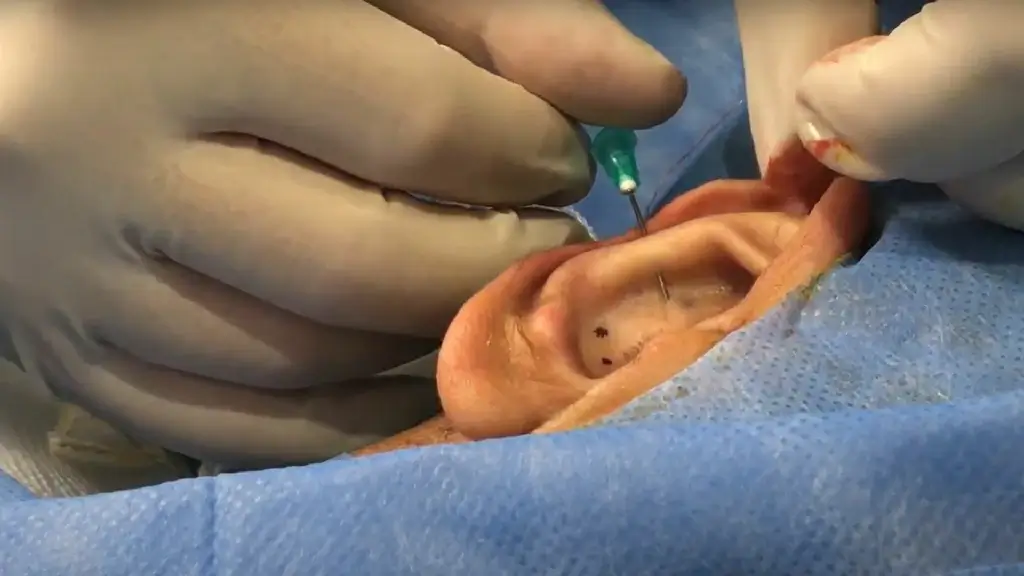
The procedure is usually performed under local or general anesthesia, depending on the patient’s age and needs. The surgeon reshapes or repositions the ear cartilage through small, carefully placed incisions, typically hidden behind the ear. The operation is precise and controlled, focusing on achieving natural symmetry and long-lasting results.
After the operation
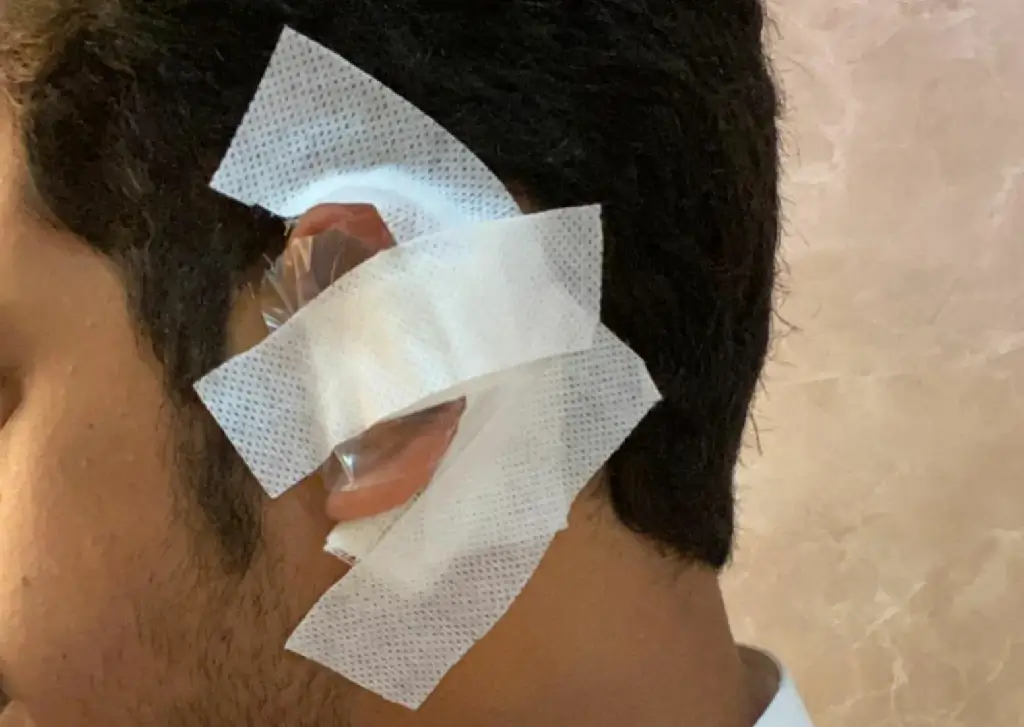
After the procedure, patients may experience mild swelling or discomfort, which is temporary and manageable. A supportive bandage or headband is worn to protect the ears and help maintain their new position during healing. Most patients can return to daily activities within a short time, with visible improvements becoming clearer as the recovery progresses.
Estimated Cost: 1450 EUR
Before and After Ear Surgery (Otoplasty)
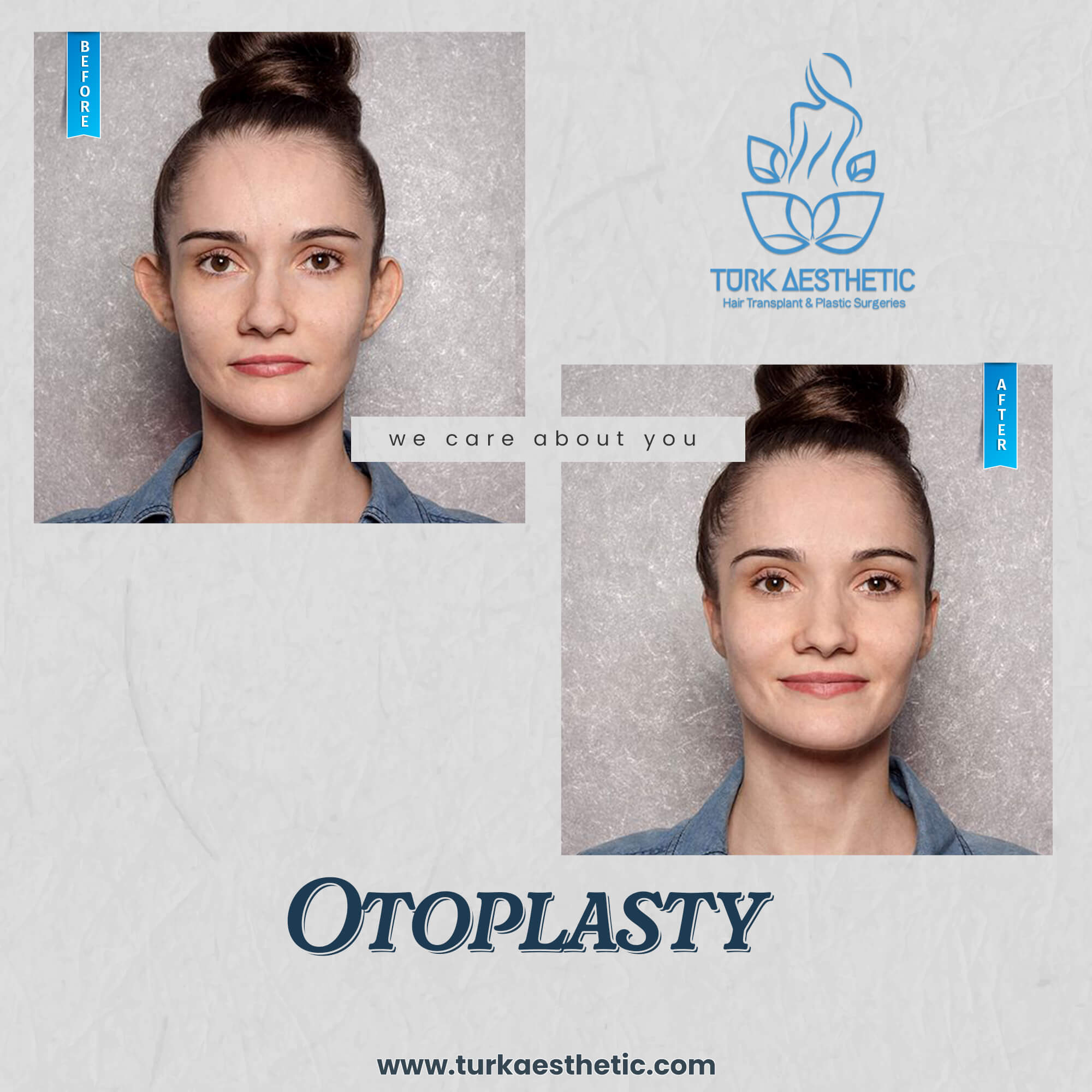
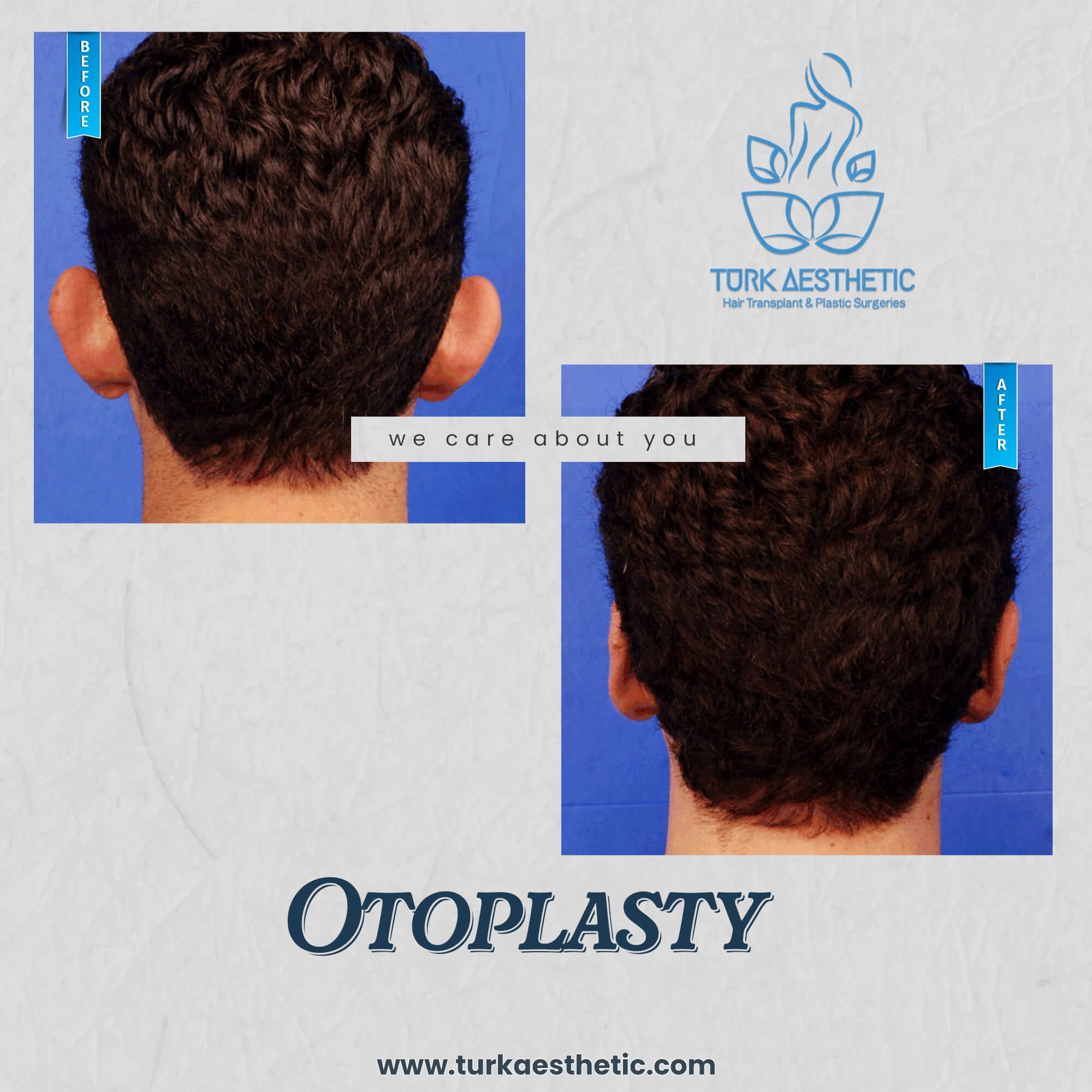
This section highlights the visible improvements achieved with ear surgery by comparing the ear appearance before and after the procedure. Before and after photos demonstrate how otoplasty can correct prominent or misshapen ears while maintaining a natural and balanced look.
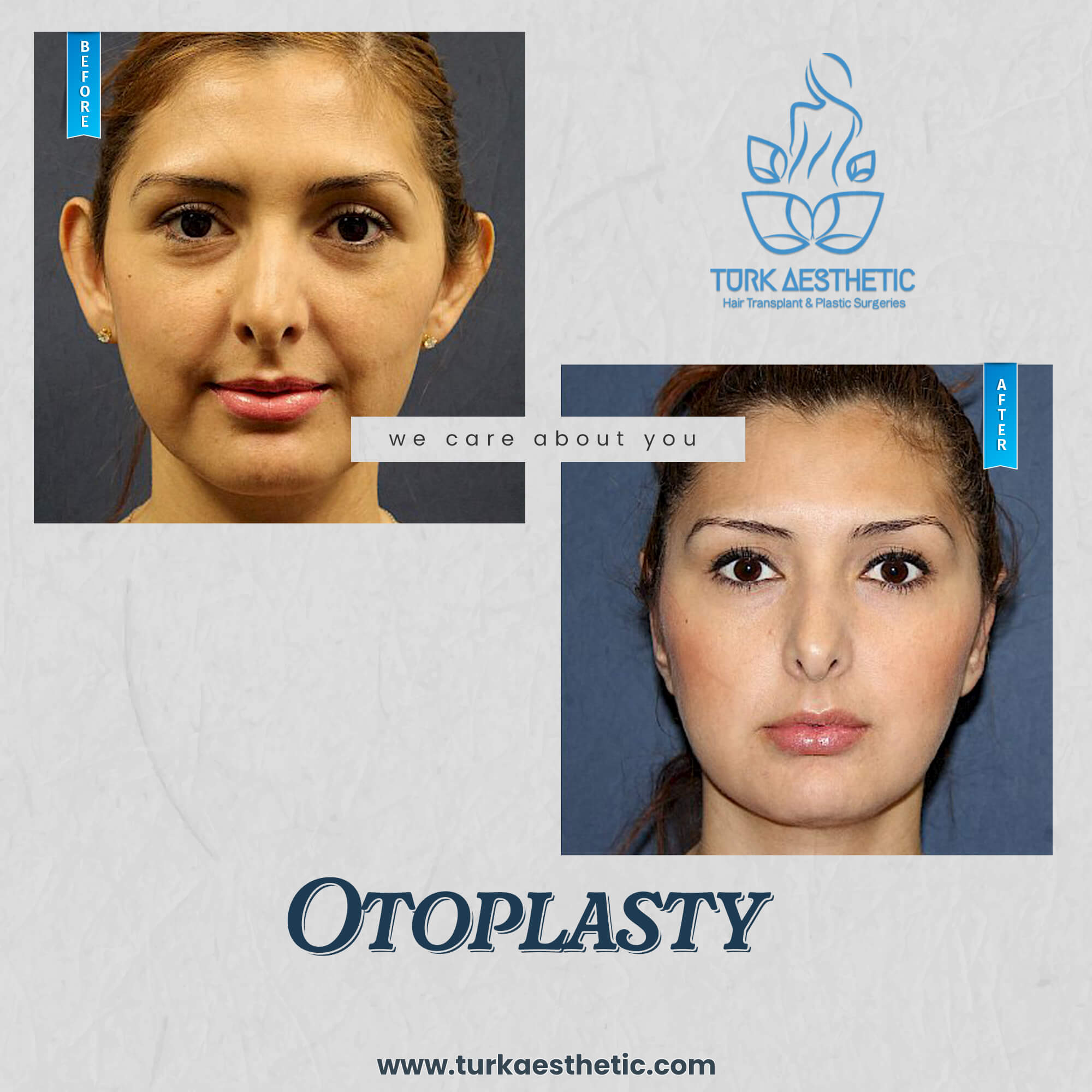
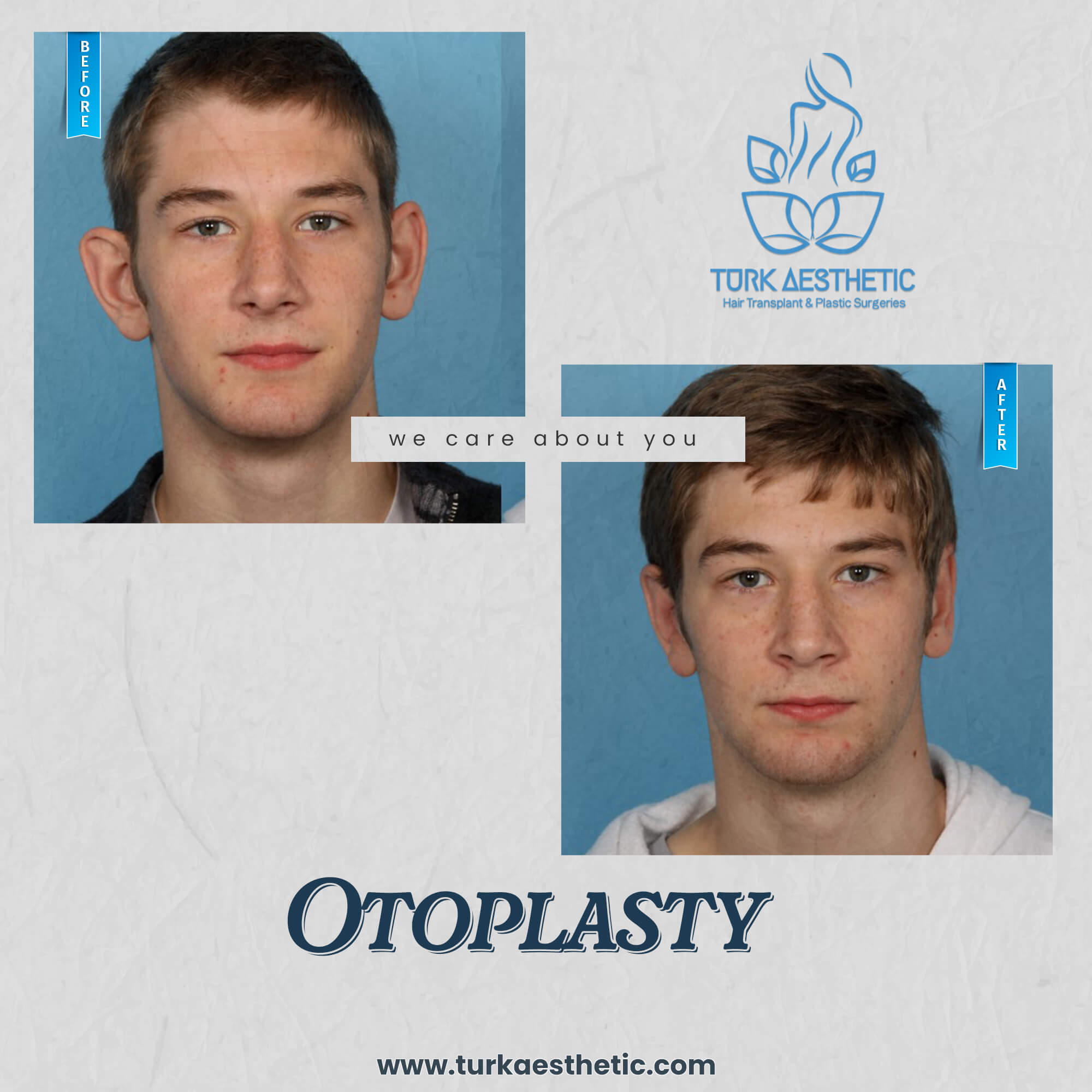
Ear Surgery (Otoplasty) For Children
Ear surgery (otoplasty) for children is a safe and effective procedure designed to correct prominent or misshapen ears at an early age. The treatment helps improve ear shape and position while supporting a natural appearance, often boosting a child’s confidence and comfort as they grow. Otoplasty is commonly performed once ear development is sufficient and is carefully planned to ensure gentle care and long-lasting results.
Unlike many other cosmetic procedures, It is often recommended at a younger age. Because the ears reach most of their growth early in childhood, performing otoplasty sooner can help prevent psychological discomfort, self-consciousness, or social challenges during school years. This approach differs from procedures such as rhinoplasty, which are usually advised after facial growth is complete in late adolescence or adulthood.

Ear Surgery (Otoplasty) For Women
Ear surgery (otoplasty) for women is a cosmetic procedure designed to improve the shape, position, or symmetry of the ears while maintaining a soft and natural appearance. Many women choose this treatment to feel more confident with hairstyles, glasses, or accessories, and to achieve better facial harmony. The procedure is carefully planned to respect individual features and deliver subtle, long-lasting results.

Anesthesia Types
The type of anesthesia used is determined based on the patient’s condition, age, and level of comfort. In most cases, the procedure can be safely and effectively performed under local anesthesia, while general anesthesia may be considered in specific situations.
Local Anesthesia
Local anesthesia is the most commonly used option, especially in adult patients. It involves numbing only the area around the ears, allowing the procedure to be performed without pain while the patient remains awake and comfortable. This method does not require complex preparation or long recovery time and avoids the risks associated with general anesthesia. For this reason, general anesthesia is usually not necessary in the majority of ear surgery cases.
General Anesthesia
In certain situations, general anesthesia may be recommended. This includes cases where the patient experiences significant anxiety or fear, when It is combined with other surgical procedures, or when complete immobility is required during the operation. The decision to use general anesthesia is made after careful medical evaluation to ensure maximum safety and comfort for the patient.
Side Effects
Ear surgery (otoplasty) is generally safe, but some temporary side effects may occur during the healing period. These effects are usually mild and resolve on their own with proper care.
Possible side effects include:
- Mild swelling
- Redness around the ears
- Temporary bruising
- Slight pain or discomfort
- Temporary sensitivity or tightness
FAQ
What is ear surgery (otoplasty)?
It is a cosmetic procedure designed to correct prominent, asymmetrical, or misshapen ears by reshaping or repositioning the ear cartilage for a more balanced appearance.
Who is a good candidate for ear surgery?
Both children and adults who are unhappy with the shape or position of their ears can be suitable candidates. A consultation is required to assess ear structure, health condition, and expectations.
At what age can otoplasty be performed?
Otoplasty can be performed once ear development is mostly complete, which is usually around the age of 5–6. Unlike many other cosmetic procedures, It is often recommended at a younger age.
Is ear surgery painful?
The procedure itself is not painful due to anesthesia. After surgery, mild discomfort or tightness may occur, but it is temporary and can be easily managed with prescribed medication.
Which type of anesthesia is used?
Ear surgery is most commonly performed under local anesthesia, especially in adults. General anesthesia may be used in children or in specific cases such as severe anxiety or combined procedures.
Are the results of ear surgery permanent?
Yes, the results of otoplasty are generally long-lasting. Once the ears heal in their new position, the improvement is usually permanent.
For detailed information about the cost of ear surgery, pricing is determined based on individual needs and the recommended treatment plan. You can find complete cost-related details and influencing factors in the dedicated section.