


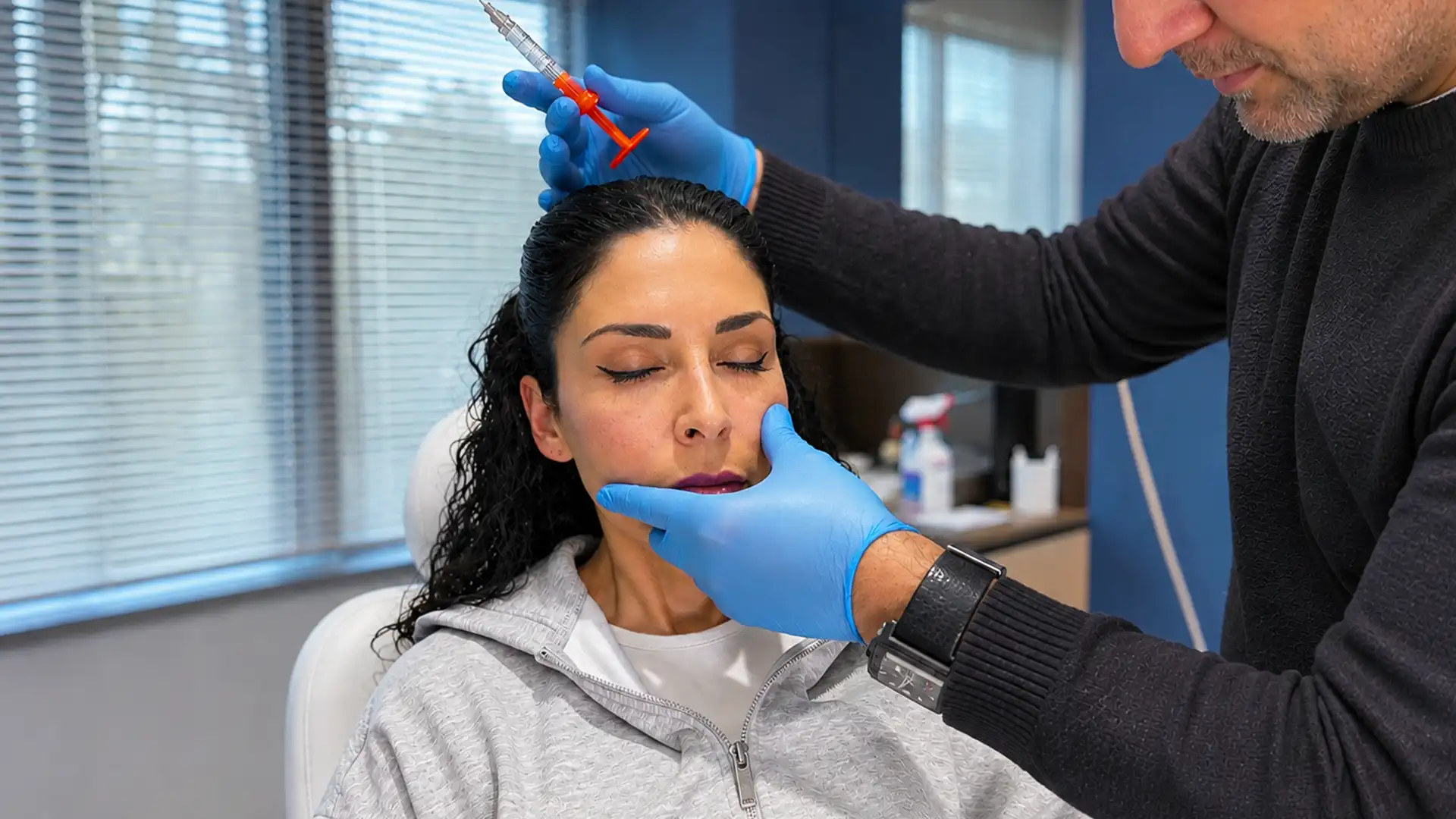
Cheek filler is a non-surgical aesthetic treatment designed to restore cheek volume, enhance cheekbone definition, and reduce volume loss in the midface. Typically performed using hyaluronic acid-based fillers, it can help create more balanced, natural-looking facial contours.
As we age, the fat pads in the cheeks may diminish, changing the contours of the face. Some people also have naturally less prominent cheekbones due to their facial anatomy. Treatment can be tailored to individual facial features and expectations, providing volume and structural support where needed.
| Feature | Information |
|---|---|
| Treatment area | Cheeks and cheekbones |
| Filler material | Usually hyaluronic acid |
| Procedure duration | Approximately 20–30 minutes |
| Anesthesia | Topical numbing cream when needed |
| Return to daily activities | Usually the same day |
| Longevity | Typically 9–18 months |
| Result assessment | Usually after 1–2 weeks |
For information about treatment options in Turkey, read our guide to cheek filler in Turkey.
What Is Cheek Filler?
It is an injectable treatment that uses suitable dermal fillers to restore volume in the midface and support cheek contours. Sometimes referred to as cheekbone filler, the procedure primarily targets the upper and central areas of the cheeks.
Hyaluronic acid is a naturally occurring substance in the body known for its ability to retain water. When formulated as a dermal filler, it can provide volume and structural support to the treated area. Product characteristics and injection depth are selected according to the patient’s facial anatomy.
What Are the Benefits of Cheek Filler?
The goal is not simply to add volume but also to improve overall facial balance. Carefully placed filler can provide targeted support in areas where additional fullness or definition is needed.
- Restoring volume: May reduce the appearance of hollow or flattened cheeks.
- Enhancing cheekbone definition: Can support and define midface contours.
- Balancing facial proportions: May create a more harmonious appearance.
- Addressing age-related changes: Can soften the sunken appearance associated with volume loss.
- Improving mild asymmetry: May help reduce differences in volume between the two sides of the face.
This treatment does not replace a surgical facelift for significant skin sagging. The degree of improvement depends on individual facial anatomy and skin characteristics.
How Is Cheek Filler Performed?
Before treatment, the practitioner assesses overall facial proportions, existing cheek volume, and cheekbone structure. The appropriate filler product, amount, and injection points are then determined.
- Consultation and planning: Facial anatomy, volume loss, and the patient’s expectations are evaluated.
- Identifying treatment areas: Injection sites and the required amount of filler are planned.
- Preparation: The skin is cleansed, and topical numbing cream may be applied when needed.
- Filler injection: The selected product is injected into the planned anatomical areas using a fine needle or cannula.
- Final assessment: Facial symmetry and contours are reviewed, followed by aftercare instructions.
The injection procedure usually takes 20–30 minutes. The total appointment may be longer when consultation and preparation are included.
Cheek Filler Treatment Areas and Techniques
The treatment area depends on where volume restoration or contour support is needed. The injection technique and amount of product are planned according to individual facial anatomy.
Cheekbone Filler
This approach aims to enhance the bony contours of the upper cheeks. It may be considered for people who want more defined cheekbones.
Midface Filler
Midface filler can help restore lost volume in the central cheek area. The goal is to reduce a hollow appearance caused by aging or natural facial structure.
Natural-Looking Cheek Enhancement
This approach focuses on subtle, balanced volume enhancement without dramatically changing facial features. The amount used is determined by facial proportions and individual expectations.
Correcting Cheek Asymmetry
Minor differences in cheek volume may be improved in suitable cases. However, significant asymmetry caused by underlying bone structure cannot always be corrected with injectable fillers.
What to Consider Before Treatment
Reviewing medical history and current medications before the procedure helps the practitioner plan treatment more safely.
- Inform the practitioner about medications, allergies, and existing medical conditions.
- Disclose any previous facial filler treatments and related reactions.
- Do not stop blood-thinning medications without medical advice.
- Any active infection or skin condition in the treatment area should be assessed beforehand.
- Discuss realistic expectations and the amount of filler required.
Cheek Filler Aftercare
Mild swelling, redness, or tenderness may occur after the injections. These effects are usually temporary. Following the practitioner’s aftercare instructions is important during recovery.
- Avoid unnecessary pressure on the cheeks during the first few days.
- Do not massage the treated area unless instructed by your doctor.
- Follow advice about avoiding strenuous exercise and excessive heat during the first 24–48 hours.
- Wait until swelling subsides before making a final assessment of the results.
- Seek medical evaluation if you experience unexpected pain, skin discoloration, or progressively increasing swelling.
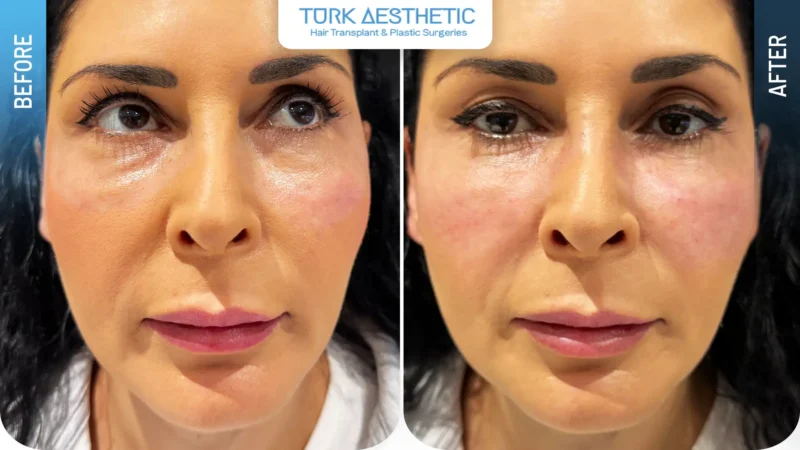
Cheek Filler Before and After
Before-and-after photos can help illustrate changes in cheekbone definition, cheek volume, and facial contours. Some people may benefit from subtle volume enhancement, while others may require more extensive midface support.
Results vary depending on facial anatomy, the amount of filler used, and the healing process. Photographs taken under similar lighting, angles, and facial expressions provide a more meaningful comparison.
Side Effects and Risks
Some temporary reactions may occur following treatment. Serious complications are less common but can develop in rare cases.
- Temporary swelling and redness at the injection site
- Tenderness, pain, or bruising
- Asymmetry or uneven filler distribution
- Filler migration or palpable lumps
- Infection or delayed inflammatory reactions
Severe or increasing pain, skin blanching, a mottled purple discoloration, or any vision changes require immediate emergency medical assessment.
Frequently Asked Questions
Is cheek filler painful?
Mild stinging or pressure may be felt during the injections. Topical numbing cream can be used when needed.
How long does the procedure take?
It usually takes 20–30 minutes. Additional time may be needed for consultation and preparation.
How long does cheek filler last?
Hyaluronic acid fillers may typically last 9–18 months. Longevity varies depending on the product and individual factors.
Will the treatment make my face look swollen?
Temporary swelling may occur during the first few days. Appropriate product selection and volume aim to preserve natural facial proportions.
When can I return to normal activities?
Most people can resume daily activities on the same day. Mild swelling or bruising may persist for several days.
Is it the same as cheekbone filler?
Cheekbone filler focuses on the upper cheek contour, while cheek enhancement may involve a broader area of the midface.
When do the results settle?
Initial changes may be visible immediately. Results are usually easier to assess after 1–2 weeks as swelling subsides.
Can cheek filler be dissolved?
Hyaluronic acid fillers can be dissolved with hyaluronidase in suitable cases. A doctor should assess the need and potential risks.