


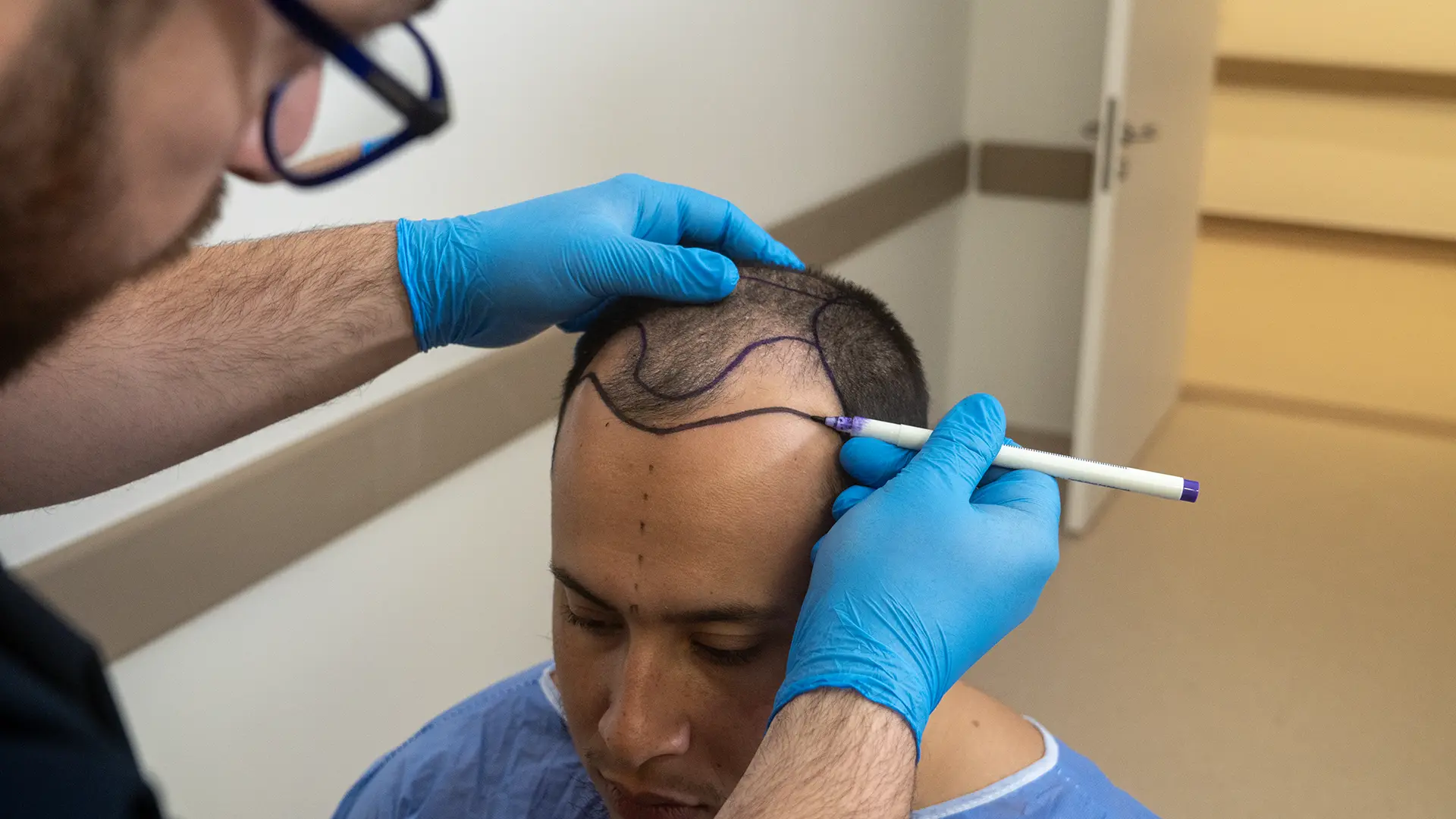
Hair loss is a common condition that affects not only hair density but also a person’s appearance and self-confidence. When hair loss progresses, the hairline recedes, or thinning becomes noticeable in certain areas, a hair transplant may provide a long-lasting and natural-looking solution. However, successful results depend not only on the technique used but also on an accurate assessment of hair loss, evaluation of the donor area, careful hairline design, and precise placement of grafts at the correct angle and density. On this page, you can learn in detail who is a suitable candidate for a hair transplant, how the procedure is performed, the available techniques, the recovery process, and when results can be expected.
| Feature | Information |
|---|---|
| Procedure Duration | 6–8 hours |
| Anesthesia | Local anesthesia |
| Hospital Stay | Not required |
| First Hair Wash | Day 1 or 2 |
| Scab Removal | 10–14 days |
| Return to Daily Activities | 2–5 days |
| Sports | Light exercise after 2 weeks, strenuous exercise after 1 month |
| Results Visible | 6–12 months |
| Result Longevity | Long-lasting and permanent |
For detailed information about the hair transplant process in Turkey, prices, recommended length of stay, and services available for international patients, please visit our Hair Transplant in Turkey page.
What Is a Hair Transplant?
A hair transplant is a procedure in which genetically resistant hair follicles, typically taken from the back and sides of the scalp, are transplanted into areas affected by hair loss. The harvested grafts are individually placed according to a personalized treatment plan based on the hairline design and recipient area.
Once transplanted, the hair follicles adapt to the natural hair growth cycle of the recipient area. Temporary shedding may occur during the first few weeks after the procedure, followed by gradual growth of new hair. Since most transplanted follicles retain their natural resistance to hair loss, hair transplantation is designed to provide long-term results.
A hair transplant is more than simply filling bald areas. Achieving natural-looking results requires a hairline that complements the facial features, precise placement of grafts at the correct angle and direction, and balanced use of the donor area. Therefore, every procedure is individually planned according to the patient’s hair characteristics and degree of hair loss.
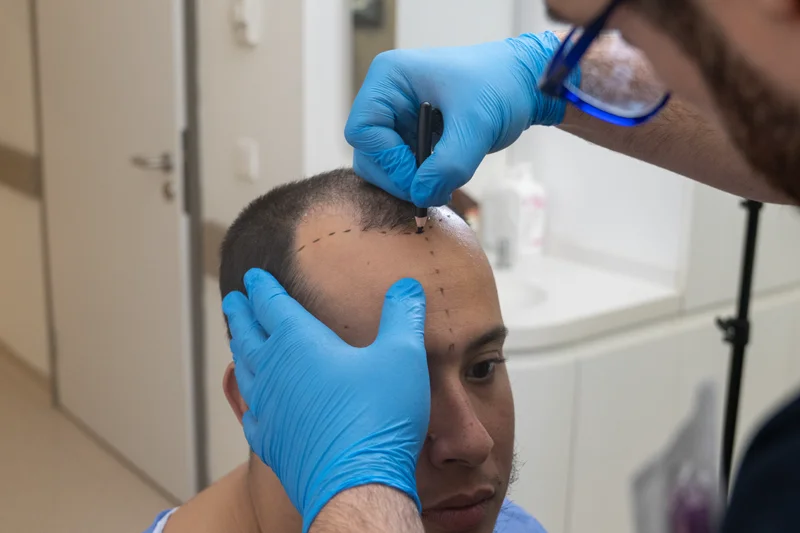
Who Is a Suitable Candidate for a Hair Transplant?
A hair transplant is a suitable treatment option for individuals with permanent hair loss who have a sufficient number of healthy hair follicles in the donor area. A personalized treatment plan is created after evaluating the patient’s age, the cause of hair loss, current hair density, and overall health condition.
The procedure may be recommended in the following cases:
- Male pattern hair loss (androgenetic alopecia)
- Female pattern hair thinning in suitable candidates
- Hair loss caused by burns, trauma, or surgical scars
- Hair loss in the eyebrows or beard area
- Patients who were not satisfied with the results of a previous hair transplant
Not everyone experiencing hair loss is an ideal candidate for a hair transplant. Individuals with ongoing active hair loss or an insufficient donor area may benefit from alternative treatment options. For this reason, a specialist consultation and a detailed hair analysis are essential before planning the procedure.
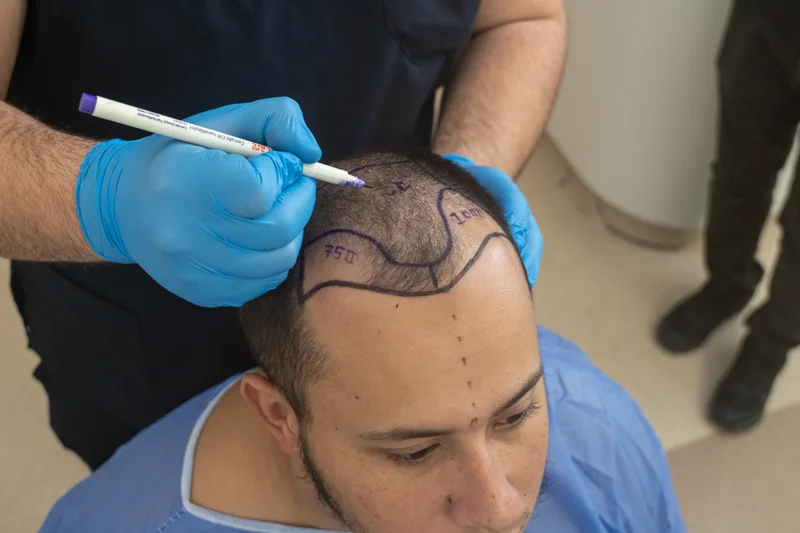
How Is a Hair Transplant Performed?
A hair transplant is a personalized procedure consisting of several stages that are usually completed on the same day. Before the procedure begins, the cause of hair loss, the condition of the donor area, and the number of grafts required are carefully evaluated. The hairline is then designed before moving on to the surgical procedure.
Although the technique may vary, the main stages of modern hair transplantation are largely similar. Careful execution of each step is essential to achieve a natural-looking result and to ensure healthy graft survival and growth.
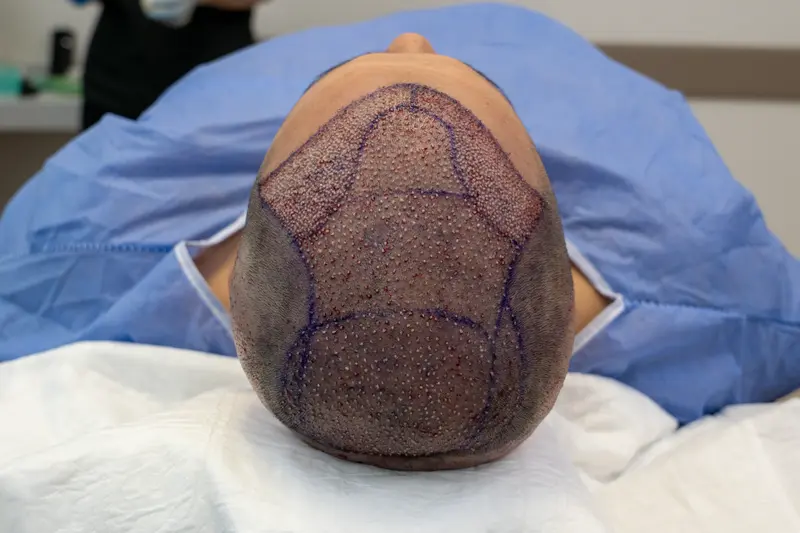
Below you can explore every stage of the hair transplant procedure in chronological order and in detail.
Total Time: 8 hours
Patient Admission and Preparation
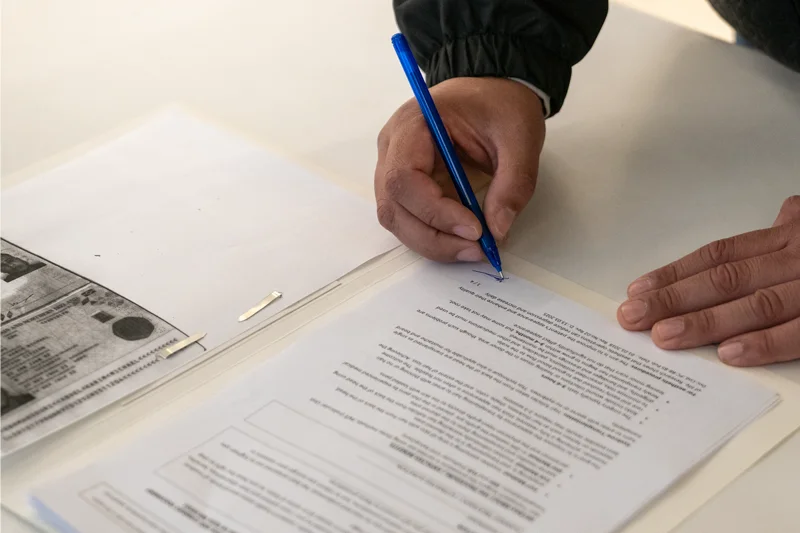
The patient is welcomed on the day of the procedure and the registration process is completed. Medical information is reviewed, the necessary documents and consent forms are signed, and the patient is prepared for the hair analysis and surgical planning.
Consultation and Hair Analysis
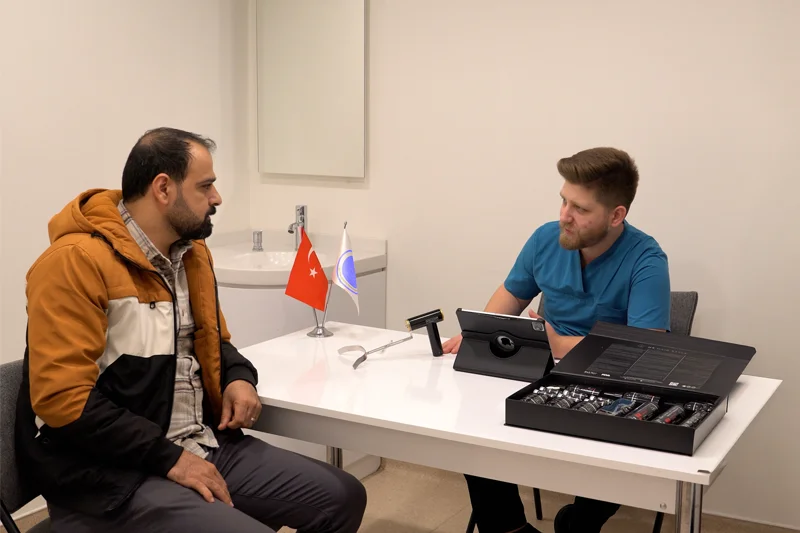
Before the procedure, the specialist evaluates the type of hair loss, the density of the donor area, and the recipient area. The most suitable technique, the estimated number of grafts, and the hairline design are then planned according to the patient’s expectations.
Blood Tests
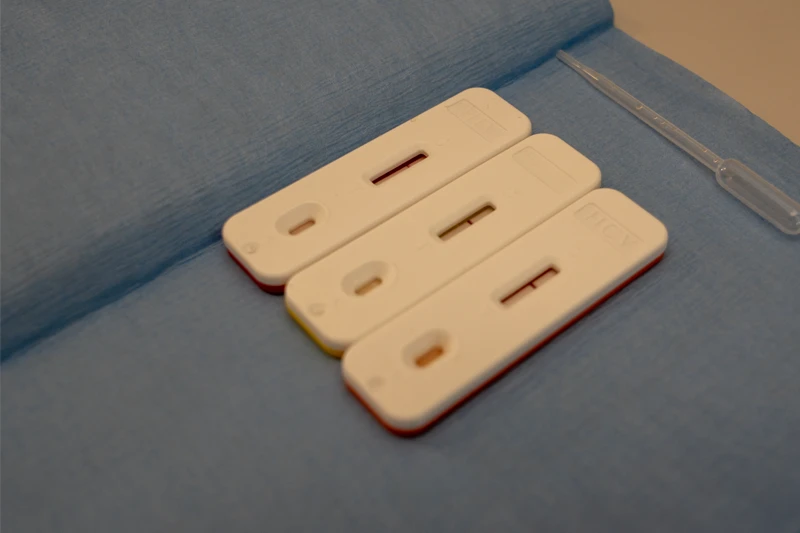
Necessary blood tests are performed before the procedure to evaluate the patient’s general health and confirm suitability for hair transplantation.
Hairline Design
To achieve a natural-looking result, the hairline is individually designed according to the patient’s facial features, age, hair characteristics, and degree of hair loss.
Hair Shaving
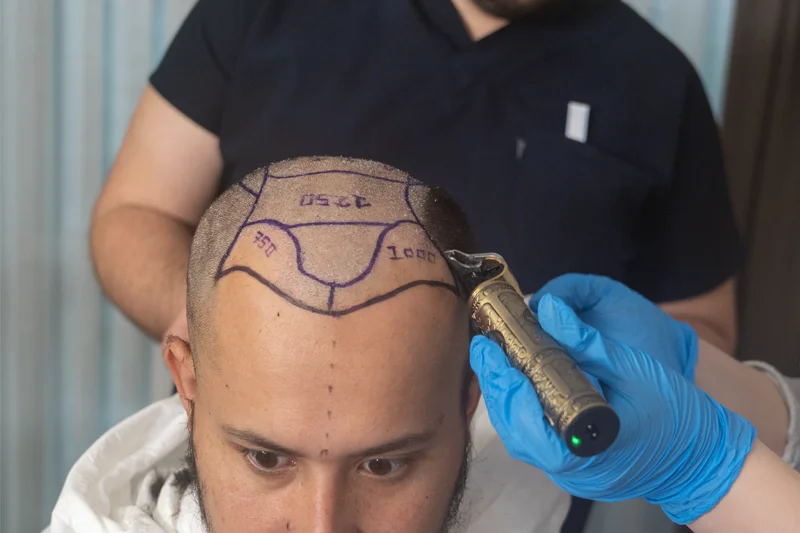
The donor area and the recipient area are trimmed to an appropriate length to ensure the procedure can be performed safely and accurately.
Disinfection of the Surgical Area
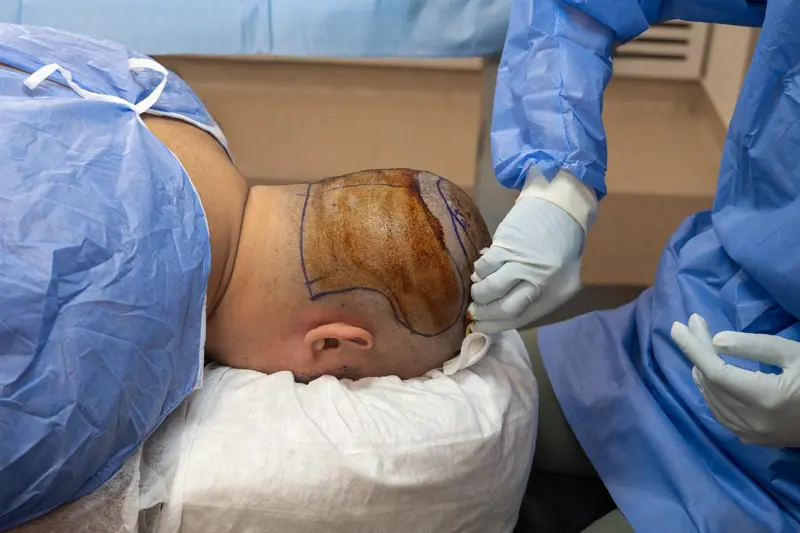
Before the procedure begins, the donor and recipient areas are disinfected with antiseptic solutions. This helps reduce the risk of infection and provides a safe surgical environment.
Local Anesthesia
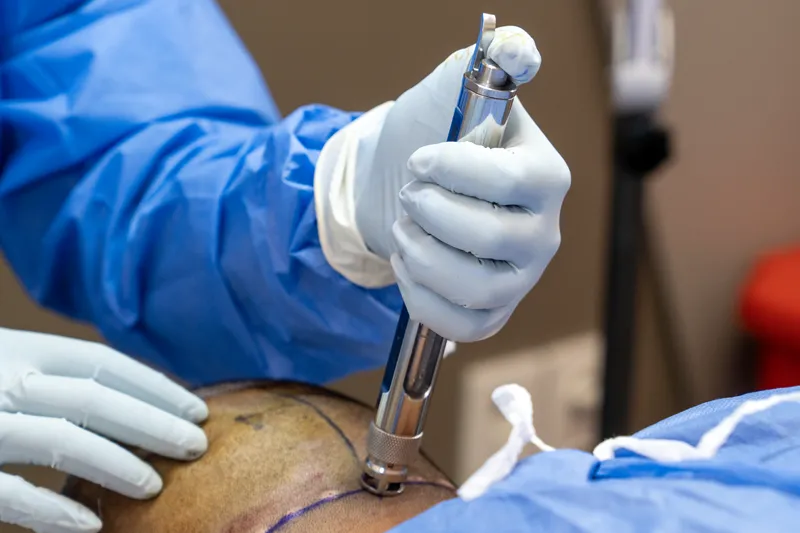
Local anesthesia is applied to both the donor and recipient areas to ensure the patient does not feel pain during the procedure. Hair transplantation begins once the anesthesia has taken effect.
Graft Extraction
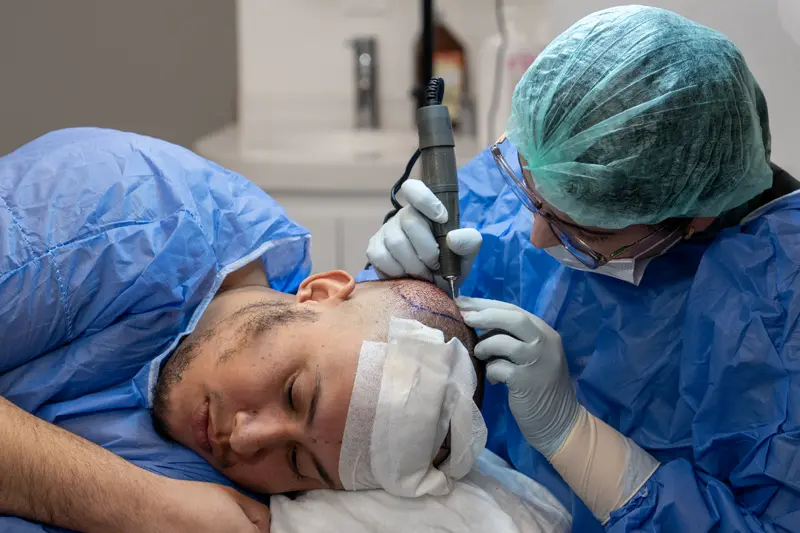
Hair follicles are carefully extracted, usually from the back of the scalp, using specialized microsurgical techniques. Single, double, or multiple follicular grafts are harvested while preserving their integrity, which is one of the key factors for a successful transplant.
Graft Implantation
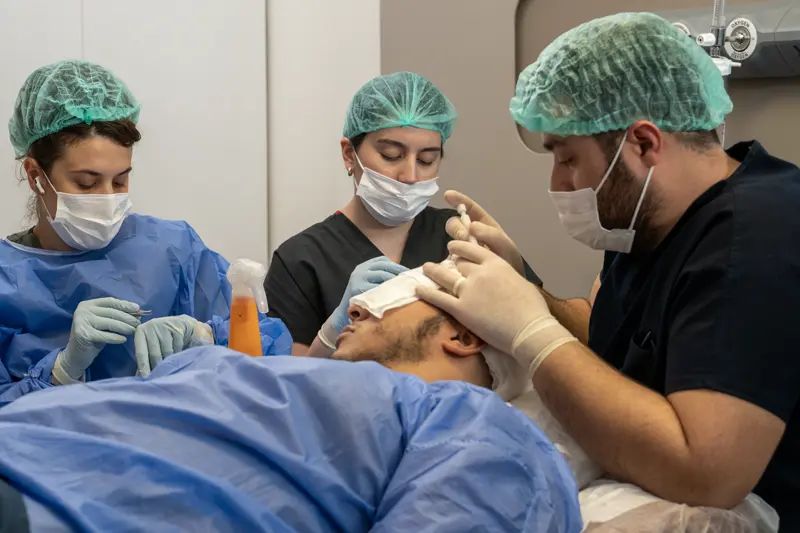
The harvested grafts are individually placed into the prepared channels while carefully following the natural direction, angle, and density of the existing hair. This stage plays a major role in achieving a natural and aesthetic result.
Donor Area Dressing
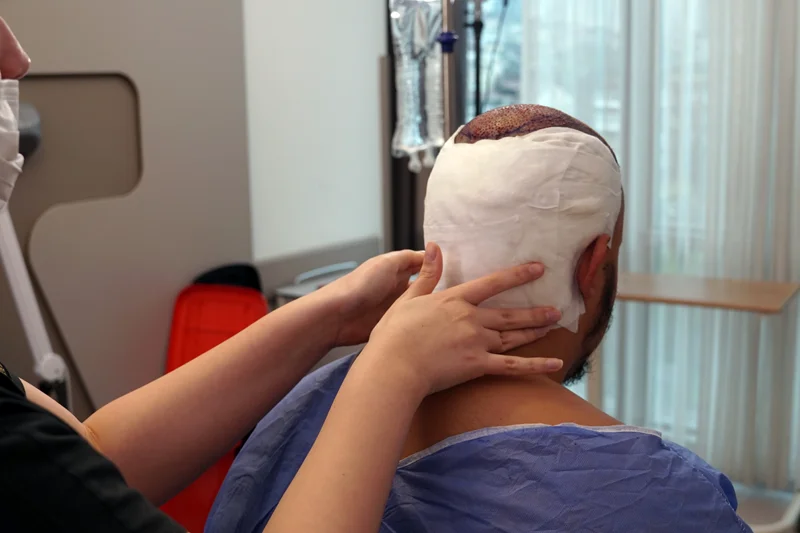
After the procedure is completed, the donor area is covered with a protective dressing to support the initial healing process and protect the area from external factors.
First Dressing Removal and Hair Wash
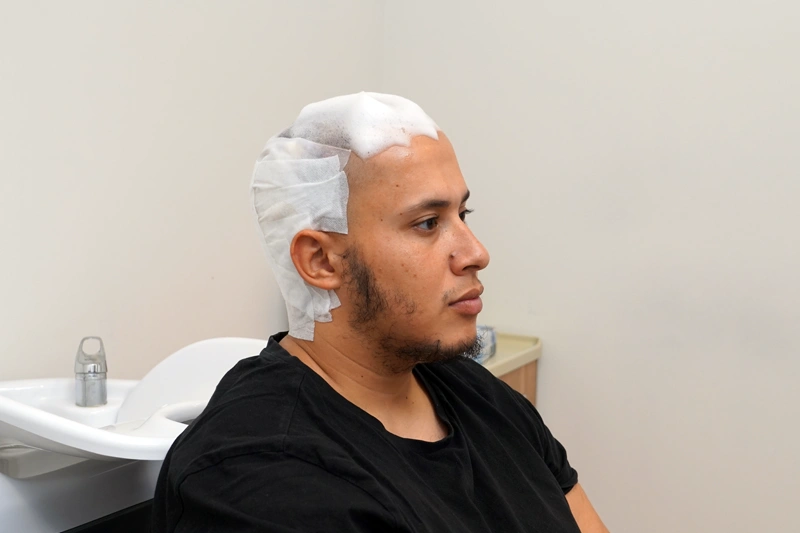
The day after the procedure, the dressing is removed from the donor area and the first hair wash is performed by the medical team. The patient is also instructed on proper scalp cleansing and aftercare for the following days.
Estimated Cost: 1450 EUR
Hair Transplant Techniques
Today, several hair transplant techniques are available, including FUE, DHI, and Sapphire FUE. Each technique has its own approach and may be recommended in different situations. The most appropriate method is determined after evaluating the degree of hair loss, donor area density, hair characteristics, the size of the recipient area, and the patient’s expectations.
FUE
In FUE hair transplantation, hair follicles are individually extracted, usually from the donor area at the back of the scalp, using a micromotor. The harvested grafts are then implanted into the prepared recipient sites while following the natural direction and angle of hair growth.
DHI
In DHI hair transplantation, grafts harvested from the donor area are implanted directly into the recipient area using specialized implanter pens. In suitable candidates, this technique allows precise control over the angle, direction, and placement of each hair follicle.
BHT
BHT (Body Hair Transplant) is a technique in which hair follicles are taken from the beard, chest, or other suitable body areas when the scalp donor area does not provide enough grafts. This method may be used to supplement a hair transplant in patients with limited donor capacity. Suitability is determined after a medical evaluation.
Sapphire
Sapphire FUE is a variation of the FUE technique in which hair follicles are extracted using the FUE method, while the recipient channels are created with specialized sapphire blades. The width, depth, and direction of the channels are customized according to the patient’s hair characteristics and the planned graft density.
Learn more about Sapphire FUE.
No single hair transplant technique is considered the best option for everyone. The most suitable method should always be selected by a specialist based on the patient’s individual needs and the results of the hair analysis.
Percutaneous
Percutaneous hair transplantation is a technique in which the recipient channels are created using fine, specialized needles. This approach is designed to allow the grafts to be placed according to the natural angle and direction of hair growth. Suitability depends on the patient’s hair characteristics and the individualized treatment plan.
Learn more about Percutaneous hair transplantation.
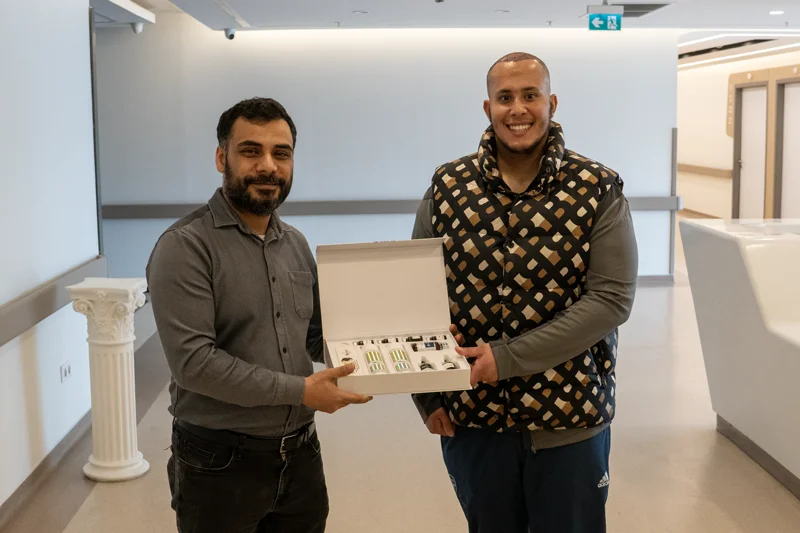
Recovery Process
The recovery process after a hair transplant progresses through several stages. The timeline below outlines the typical healing milestones and the main points to keep in mind during recovery.
| Time | Recovery Process |
|---|---|
| First 24 Hours | Rest is recommended. The transplanted area should be protected, and all prescribed medications should be taken as directed. |
| Days 1–12 | The first hair washes are performed. Scab formation is normal, and the scabs should not be picked or removed by force. |
| Day 12 | On the 12th day, the scabs should be gently removed using the technique recommended by the hair transplant specialist. Avoid forcing them off. |
| Weeks 2–8 | Shock hair loss may occur. This is a normal phase, and the transplanted hair follicles remain alive beneath the scalp. |
| Months 3–4 | New hair begins to grow, and the first visible improvements become noticeable. |
| Months 6–9 | Hair density increases significantly, and the natural appearance continues to improve. |
| 12 Months | The final results can be evaluated in most cases. |
Proper aftercare plays an important role in achieving the best possible results. For detailed information about the first hair wash, medications, sleeping position, exercise, sun protection, and other important recommendations, please visit our Hair Transplant Aftercare Instructions page.
Possible Side Effects of Hair Transplantation
The following temporary side effects may occur after a hair transplant:
- Mild swelling
- Redness
- Scab formation
- Itching
- Tenderness
- Temporary numbness
These symptoms usually improve on their own within a short period. Following your doctor’s recommendations will help support a smooth recovery.
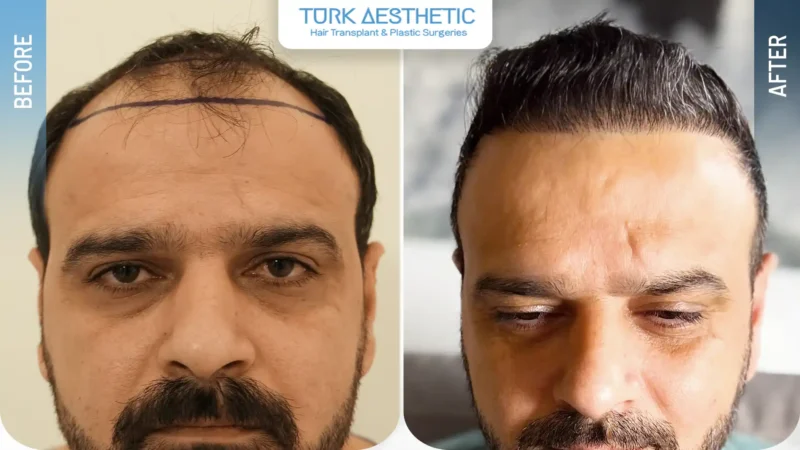
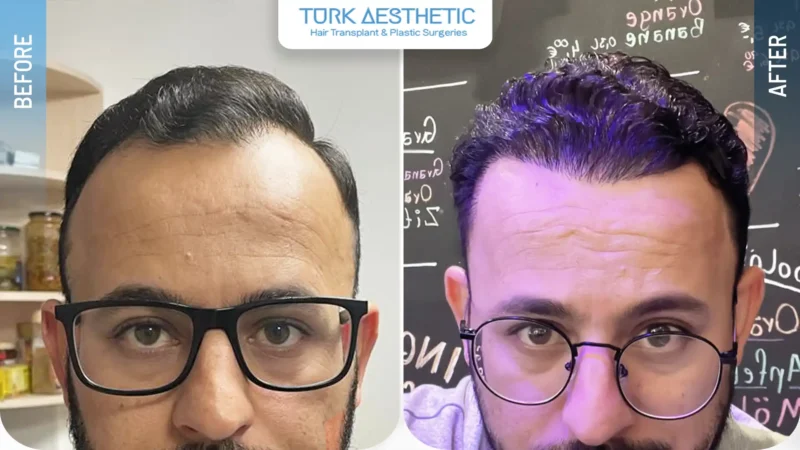
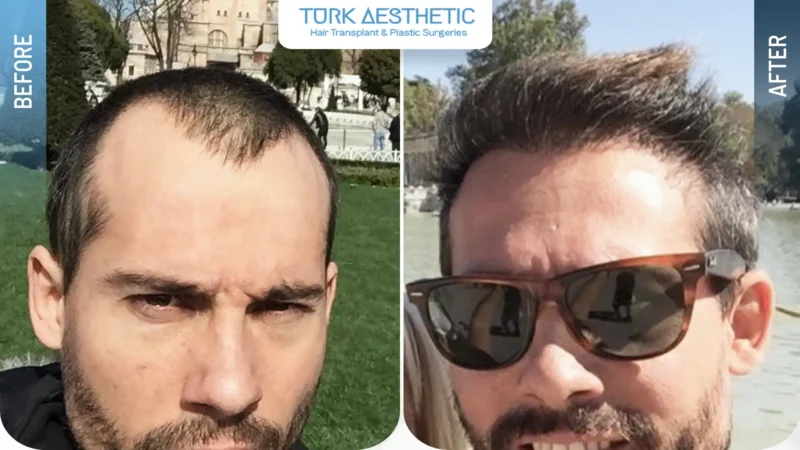
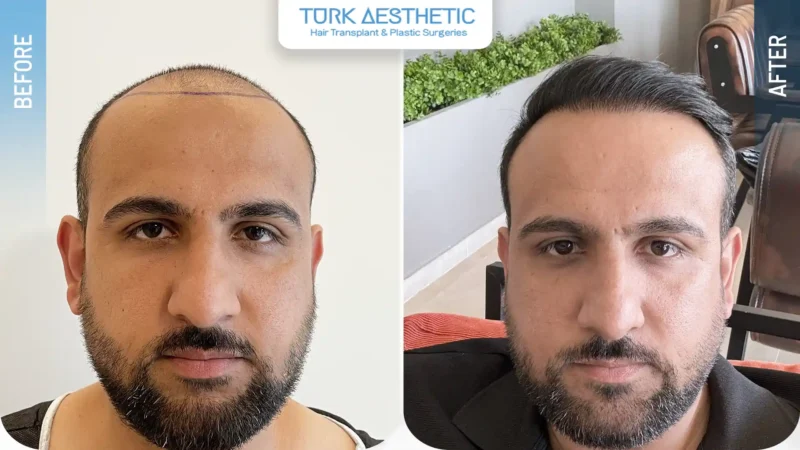
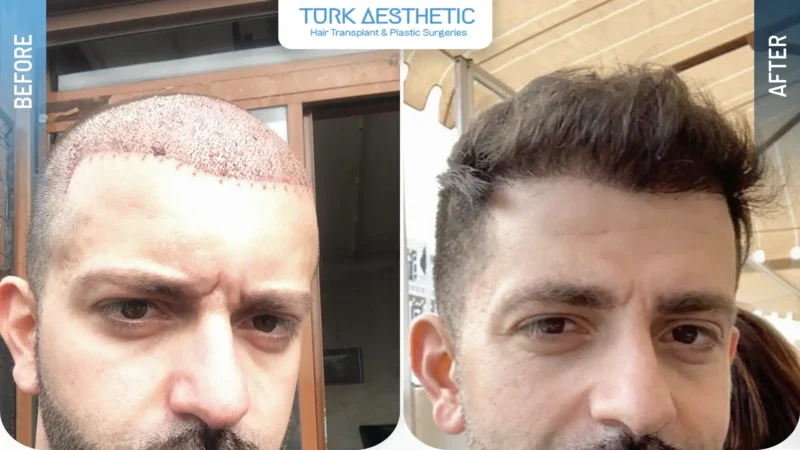
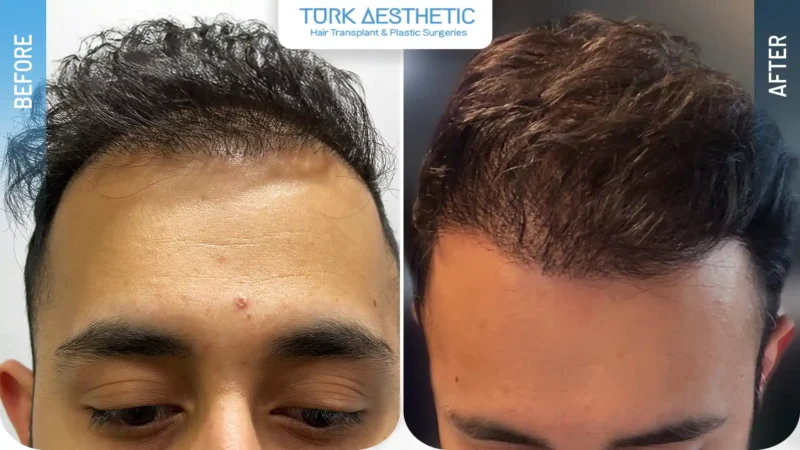
Hair Transplant Before and After Results
Hair transplant results vary from person to person depending on the technique used, the quality of the donor area, the characteristics of the hair, and adherence to post-operative care instructions. With careful planning and an experienced medical team, it is possible to achieve a natural-looking hairline, balanced density, and long-lasting results. The before-and-after images below present examples of real outcomes achieved in different patients.
Frequently Asked Questions
Is a hair transplant permanent?
Hair follicles taken from the donor area are generally permanent. However, the natural hair may continue to thin or fall out over time.
Is the procedure painful?
Since the procedure is performed under local anesthesia, no pain is felt during the operation. Mild tenderness or discomfort may occur for a few days afterward.
How long does the procedure take?
The duration depends on the number of grafts being transplanted, but most procedures are completed within 6–8 hours.
When can I return to work after a hair transplant?
Many people with desk jobs can return to work within a few days. Those with physically demanding jobs may need a longer recovery period, depending on their doctor’s recommendations.
When does the transplanted hair start to grow?
After the temporary shock shedding phase, new hair usually begins to grow within 3–4 months. Noticeable density develops between 6–9 months, while the final results are typically evaluated after about 12 months.
Can I exercise after the procedure?
It is recommended to avoid strenuous exercise during the first few weeks. Follow your doctor’s advice regarding when it is safe to resume sports and physical activities.
Can I cut my hair after the procedure?
Yes. The donor area can usually be trimmed after a few weeks. For the transplanted area, you should wait for the period recommended by your doctor.
Which hair transplant technique is the best?
Modern techniques such as FUE and DHI are selected according to the patient’s hair characteristics, type of hair loss, and expectations. The most suitable method is determined after a specialist evaluation.