


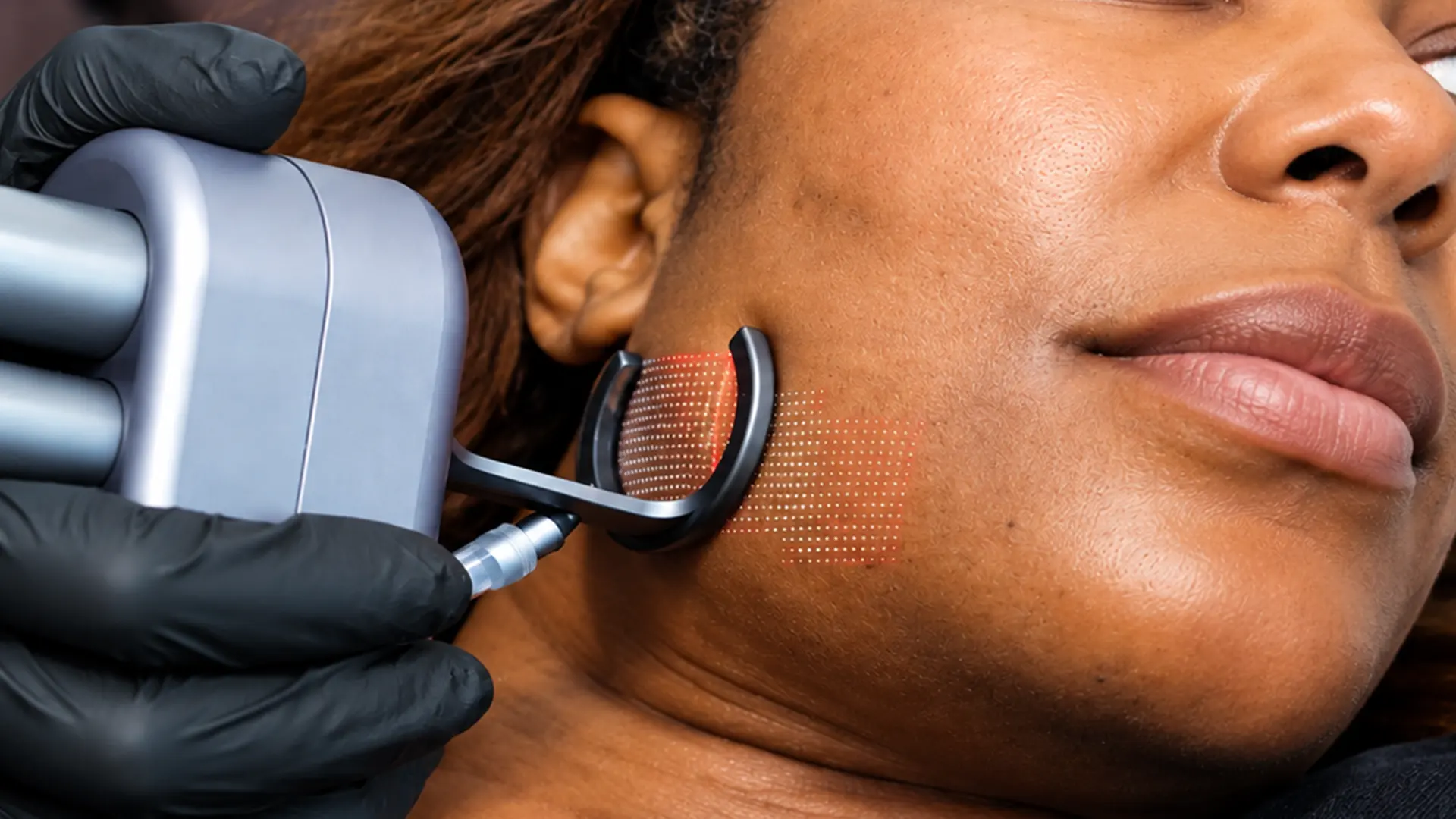
CO2 Fractional Laser is a skin resurfacing treatment used to reduce the appearance of acne scars, fine lines, enlarged pores, and uneven skin texture. By stimulating collagen production, it may help the skin gradually achieve a smoother and more even appearance. The treatment is tailored to each patient’s skin type and individual needs.
| Feature | Details |
|---|---|
| Treatment Areas | Face, neck, décolletage, and other suitable areas |
| Anesthesia | Usually topical anesthetic cream |
| Procedure Duration | Approximately 20–60 minutes |
| Number of Sessions | 1–2 sessions or more, depending on the skin concern |
| Initial Recovery Time | Usually 5–10 days |
| Hospital Stay | Not required |
| When Results Appear | Gradually, starting within the first few weeks |
For more information about the treatment process, available options in Istanbul, and prices, read our article on CO2 Fractional Laser in Turkey.
What Is CO2 Fractional Laser?
CO2 Fractional Laser is a skin resurfacing treatment based on carbon dioxide laser technology operating at a wavelength of 10,600 nm. It is among the non-surgical aesthetic procedures used to improve skin texture and appearance. Rather than delivering laser energy uniformly across the entire skin surface, this treatment directs it into controlled microscopic treatment zones without requiring surgical incisions. Preserving healthy tissue between treated areas helps support the healing process.
The laser creates controlled resurfacing in the upper layers of the skin while stimulating collagen remodeling in deeper tissues. Treatment depth, energy levels, and density can be adjusted according to the patient’s skin type, treatment area, and specific concerns. This allows personalized treatment plans for various conditions, ranging from superficial texture irregularities to more noticeable acne scars and surgical scars.
UltraPulse CO2 Laser Technology
UltraPulse CO2 laser is an advanced laser technology that delivers carbon dioxide laser energy in short, high-energy pulses. This technology is designed to deliver energy precisely to the targeted tissue while helping limit unnecessary thermal effects on surrounding areas.
UltraPulse technology can be used for fractional skin resurfacing with appropriate device settings. For acne scars, fine lines, and uneven skin texture, treatment depth and intensity are adjusted according to the patient’s skin characteristics and treatment needs.
At Turk Aesthetic, UltraPulse technology is used for CO2 fractional laser treatments. Each treatment plan is determined after evaluating the treatment area and the patient’s individual skin characteristics.
What Skin Concerns Can CO2 Fractional Laser Treat?
CO2 Fractional Laser is used to reduce the appearance of acne scars, wrinkles, and uneven skin texture. In addition to the face, it may be applied to other suitable areas of the body.
Acne Scars
CO2 fractional laser may help reduce the appearance of acne scars, particularly depressed or atrophic scars. By stimulating collagen production, it can gradually improve skin texture and create a smoother appearance. Deeper acne scars may require additional treatment sessions.
Fine Lines and Wrinkles
The treatment may soften the appearance of fine lines around the eyes and mouth, as well as superficial wrinkles. However, deeper wrinkles may require additional treatment methods.
Skin Resurfacing and Uneven Texture
By supporting skin renewal, CO2 fractional laser may reduce the appearance of rough skin and textural irregularities. The goal is to achieve smoother and more even-looking skin.
Surgical Scars and Other Scars
The treatment may improve the appearance of suitable surgical scars and other skin scars. Results vary depending on the scar’s depth, age, and the patient’s skin characteristics.
Enlarged Pores
CO2 fractional laser may help reduce the appearance of enlarged pores, particularly around the nose, cheeks, and forehead. Collagen remodeling can contribute to a smoother-looking skin surface.
Sun Damage and Skin Pigmentation
The treatment may be used for certain superficial skin changes associated with sun damage. However, patients with melasma or skin prone to pigmentation require careful assessment because of the risk of pigmentary changes after treatment.
Stretch Marks (Striae)
CO2 fractional laser may help improve the appearance of stretch marks caused by pregnancy or weight changes. Although it supports collagen production, it cannot completely eliminate stretch marks.
Other Aesthetic Uses of CO2 Fractional Laser
In addition to skin resurfacing, CO2 fractional laser technology can be used for various other aesthetic procedures. The treatment technique and laser settings vary depending on the area being treated.
Mole Removal
CO2 laser technology may be used to remove certain benign moles considered suitable for treatment following a dermatological assessment. However, suspicious pigmented lesions should be evaluated using appropriate diagnostic and removal methods that allow histopathological examination rather than laser treatment.
Lip Lightening and Rejuvenation
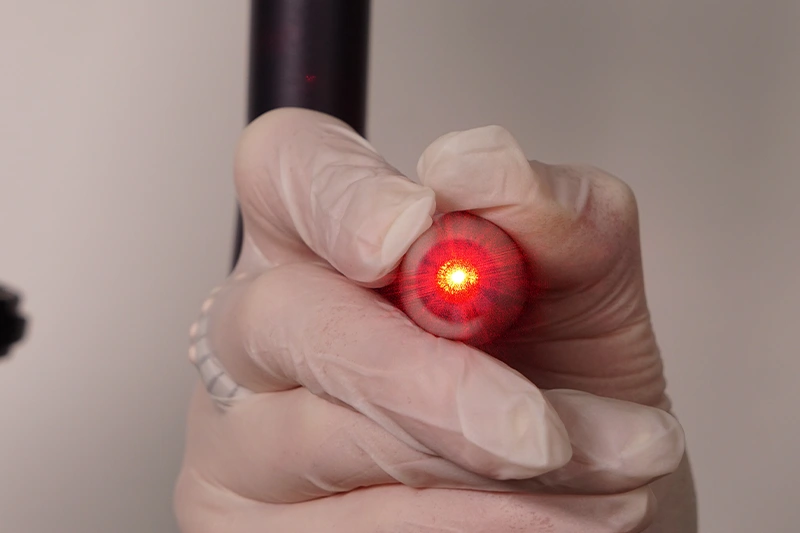
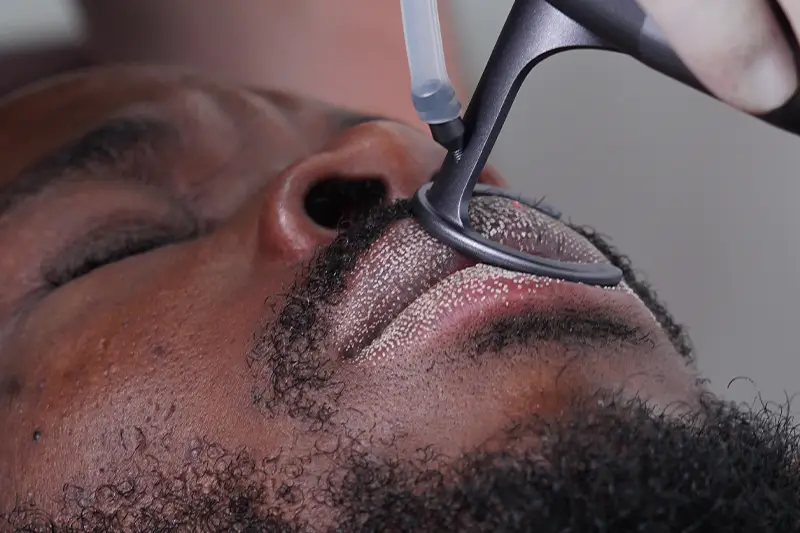
CO2 laser treatment may be considered in selected cases to improve irregularities on the lip surface and support tissue renewal. Although some superficial pigmentation irregularities may improve, lightening naturally dark lips cannot be guaranteed.
Vaginal Laser Treatments
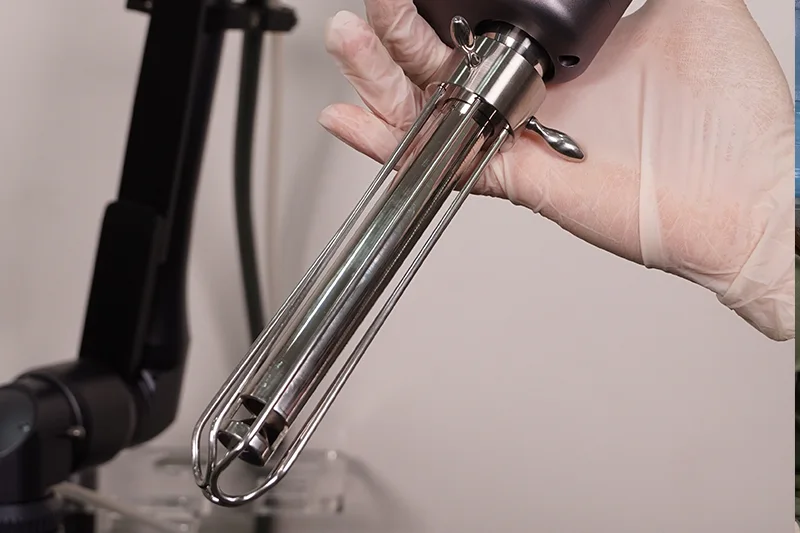
Fractional CO2 laser technology is used in certain gynecological procedures with the aim of supporting vaginal tissue renewal and collagen production. The laser creates a controlled effect within the tissues to stimulate natural remodeling processes. In selected cases, this approach may also be considered for improving vaginal tissue firmness, although its effectiveness and long-term safety for vaginal tightening have not been established. Surgical vaginal tightening is a separate treatment option. The most appropriate approach depends on the patient’s individual needs and a specialist’s medical assessment.
Who Is a Suitable Candidate for CO2 Fractional Laser?
Suitability for CO2 Fractional Laser treatment depends on more than the skin concern being addressed. The patient’s skin type, general health, healing characteristics, and treatment expectations must also be evaluated.
When determining whether someone is a suitable candidate, particular attention is given to skin tone, susceptibility to pigmentation changes, active skin conditions, medications, and previous treatments. Patients should also be able to follow post-treatment care instructions and allow sufficient time for recovery.
Final suitability is determined following an assessment by a qualified specialist.
Who Should Not Undergo CO2 Fractional Laser Treatment?
In certain situations, treatment may need to be postponed or alternative methods considered:
- Active skin infections: The presence of cold sores, skin infections, or open wounds.
- Pregnancy: Elective aesthetic treatments are generally postponed until after childbirth.
- Severe active acne: Inflamed acne lesions should generally be treated before laser resurfacing.
- Keloid susceptibility: An increased risk of abnormal scar formation and wound healing.
- Excessive sun exposure: Tanned or sunburned skin may have a higher risk of complications.
- Certain medications: Individual assessment may be necessary, particularly for patients taking isotretinoin.
Important: Patients with darker skin tones may have a higher risk of pigmentation changes. Therefore, skin type, medical history, and current medications should be carefully evaluated before CO2 Fractional Laser treatment.
How Is CO2 Fractional Laser Treatment Performed?
CO2 Fractional Laser treatment is planned according to the patient’s skin characteristics and the area being treated. The procedure is usually performed with topical anesthetic cream and takes approximately 20–60 minutes, depending on the treatment area.
Skin Assessment and Preparation
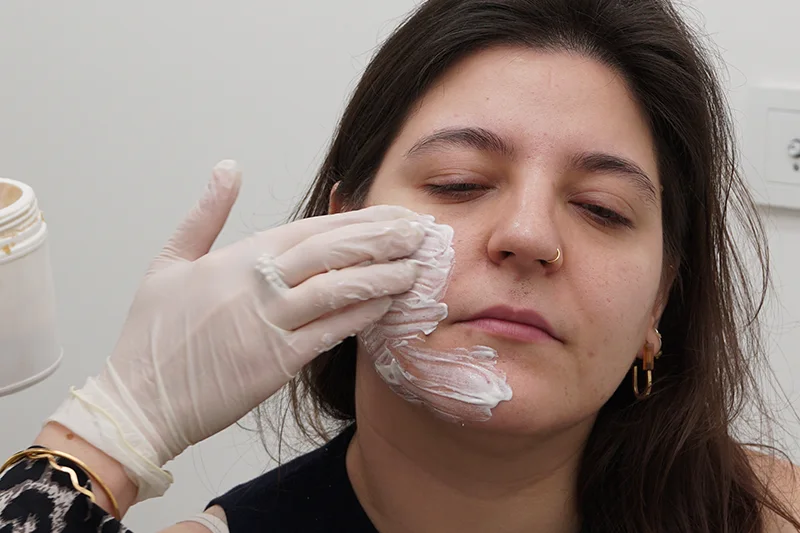
The specialist first evaluates the patient’s skin type, existing concerns, and treatment area. After selecting appropriate laser settings, the skin is cleansed, and topical anesthetic cream is usually applied to improve comfort during the procedure.
CO2 Fractional Laser Application
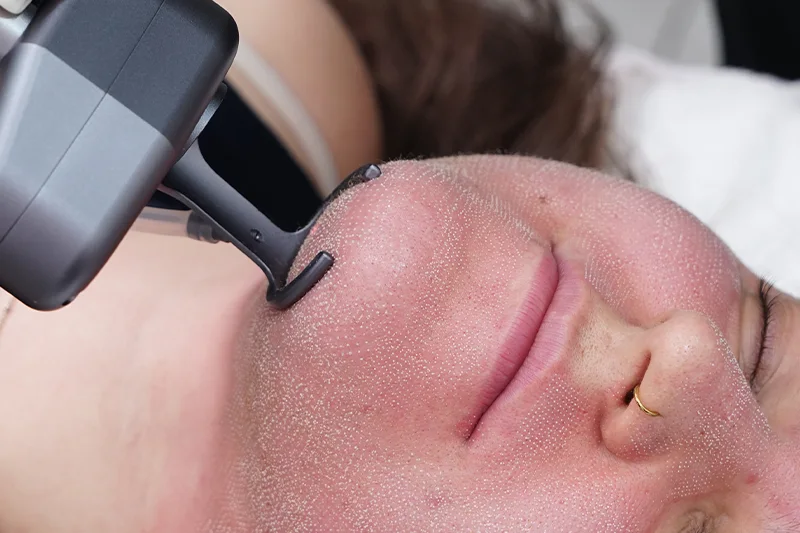
Laser energy is delivered to the selected area in controlled microscopic beams. These microscopic treatment zones support the skin’s natural renewal process and stimulate collagen production. Patients may experience mild warmth or a stinging sensation during treatment.
Post-Treatment Skin Care
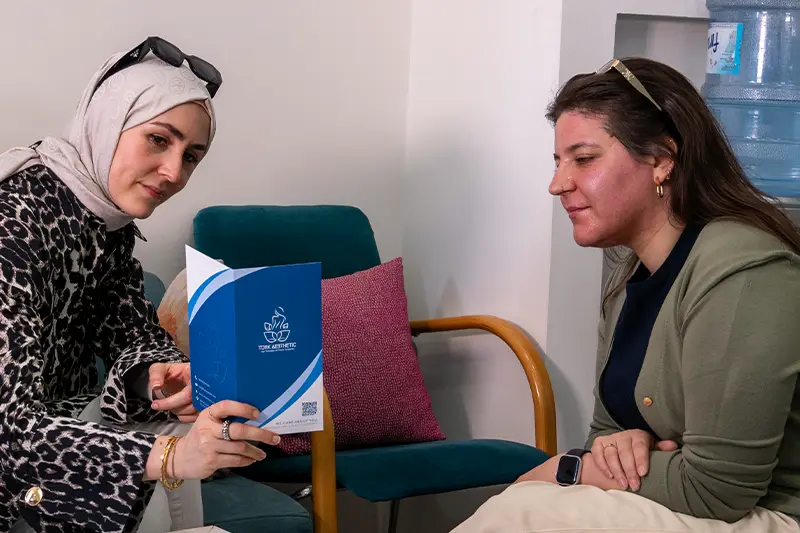
After the procedure, suitable skincare products are applied to help soothe the treated skin. Patients receive instructions on cleansing, moisturizing, and sun protection. Recovery time and the need for follow-up appointments are assessed according to treatment intensity.
Before CO2 Fractional Laser Treatment
Before CO2 Fractional Laser treatment, the patient’s skin characteristics and suitability for the procedure are evaluated. Proper preparation helps support the healing process and reduce the risk of side effects.
Important precautions before treatment include:
- Sun protection: Avoid excessive sun exposure and tanning beds for 2–4 weeks before the procedure.
- Skincare products: Retinol and exfoliating acids should be discontinued temporarily for the period recommended by the doctor.
- Medications: Inform the doctor about isotretinoin, blood thinners, and any other medications being used. Do not stop taking prescribed medications without medical approval.
- Active skin conditions: Cold sores, infections, open wounds, or skin irritation should be assessed before treatment.
- Previous procedures: Inform the doctor about any recent laser treatments, chemical peels, or aesthetic procedures.
- Skin preparation: The skin should be clean and free of makeup on the day of treatment.
Additional precautions may be necessary for patients with darker skin tones, a tendency to develop pigmentation, or a history of cold sores. Therefore, preparation before CO2 Fractional Laser treatment should be tailored to each patient’s individual needs.
Aftercare Following CO2 Fractional Laser
Proper skincare after CO2 Fractional Laser treatment is important for supporting recovery and reducing the risk of potential complications. Aftercare instructions may vary depending on treatment intensity and the patient’s skin characteristics.
Important aftercare instructions include:
- Skin cleansing: Gently clean the treated area according to the doctor’s instructions.
- Moisturizing: Use the recommended moisturizing and skin-repair products regularly.
- Sun protection: Avoid direct sun exposure and use a high-SPF sunscreen once the skin has healed sufficiently for its application.
- Crusting and peeling: Do not pick or remove scabs. Allow them to fall off naturally.
- Makeup: Avoid applying makeup until the skin surface has healed sufficiently.
- Heat exposure: Avoid saunas, steam baths, and activities that cause excessive sweating during the first few days.
- Skincare products: Do not use retinol, exfoliating acids, or irritating skincare products without medical approval.
Seek medical attention if you experience increasing pain, significant swelling, pus-like discharge, or spreading redness after treatment.
Important: Aftercare following CO2 Fractional Laser treatment varies according to skin type and treatment depth. Patients should follow the specific aftercare instructions provided by their healthcare professional.
CO2 Fractional Laser Recovery Timeline
Recovery time after CO2 Fractional Laser treatment varies depending on treatment depth, the area treated, and individual skin characteristics. Initial healing of the skin surface usually begins within the first few days, while collagen remodeling and the gradual development of results may continue for several months.
| Recovery Period | Expected Skin Changes |
|---|---|
| Days 1–3 | Redness, mild swelling, warmth, and skin sensitivity may occur. The intensity of these symptoms depends on treatment depth. |
| Days 3–7 | The skin may become dry, slightly darker, and develop fine crusts. As the renewal process progresses, these crusts gradually begin to fall off naturally. |
| Days 7–14 | The skin surface may have largely healed, and a smoother appearance may begin to emerge. However, redness and sensitivity can persist longer in some patients. |
| Months 1–3 | Collagen production and skin remodeling continue. Gradual improvements may become noticeable in acne scars, fine lines, and uneven skin texture. |
| Months 3–6 | Improvements in skin texture may become more noticeable as collagen remodeling progresses. The development of results varies depending on the treatment performed and individual skin characteristics. |
Important: Healing of the skin surface and completion of collagen remodeling are two different processes. Therefore, improvements in the skin may continue even after visible healing has occurred.
CO2 Fractional Laser Side Effects and Potential Risks
CO2 Fractional Laser treatment creates controlled microscopic injuries in the skin to stimulate the natural renewal process. As a result, certain temporary skin reactions can be expected after the procedure. The severity and duration of side effects depend on treatment depth, skin type, and post-treatment care.
Common Temporary Side Effects
- Redness: Skin redness may occur after treatment. Following more intensive procedures, it can last for several weeks or longer.
- Swelling: Mild to moderate swelling may develop during the first few days, particularly in sensitive areas such as around the eyes.
- Burning and sensitivity: Patients may experience warmth or a stinging sensation similar to sunburn.
- Dryness and crusting: Temporary darkening, dryness, and fine crusts may develop on the skin surface.
- Itching: Mild itching may occur during the healing period.
Less Common Potential Risks
- Pigmentation changes: Post-inflammatory hyperpigmentation (darkening) or hypopigmentation (lightening) may develop, particularly in patients with darker skin tones.
- Infection: Bacterial infections or reactivation of the herpes simplex virus may occur during recovery.
- Prolonged redness: In some patients, a pink or red appearance may persist longer than expected.
- Scarring: In rare cases, permanent scars may develop, particularly due to inappropriate laser settings or complications during healing.
- Acne and milia: Temporary acne breakouts or small white cysts may appear during the healing process.
How Can the Risk of Side Effects Be Reduced?
Careful patient selection, laser settings appropriate for the patient’s skin type, and treatment performed by an experienced specialist are important for reducing the risk of side effects. Medical history, current medications, and potential risk factors should be evaluated before the procedure.
Important: Seek medical attention promptly if you develop progressively worsening pain, significant warmth, spreading redness, foul-smelling discharge, or fever after treatment.
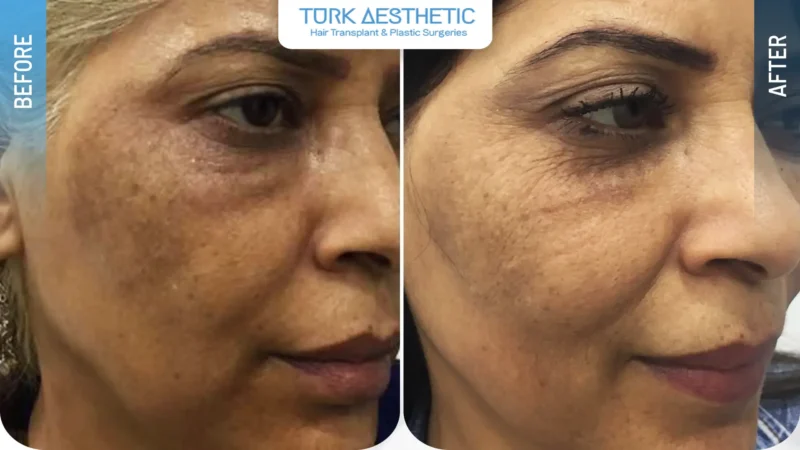
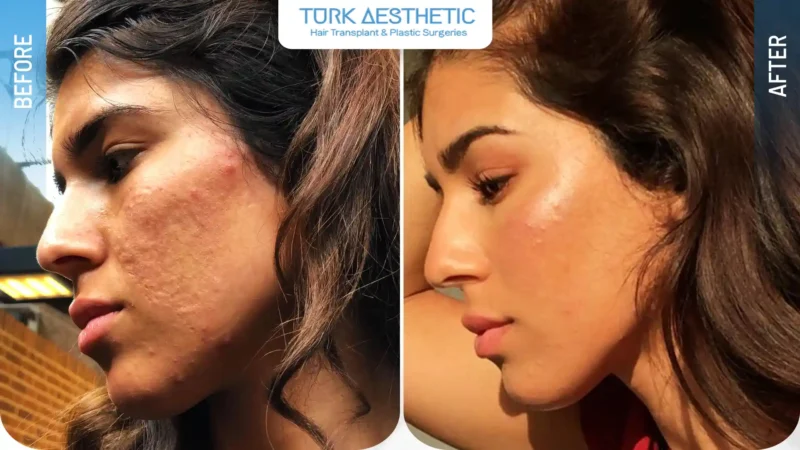
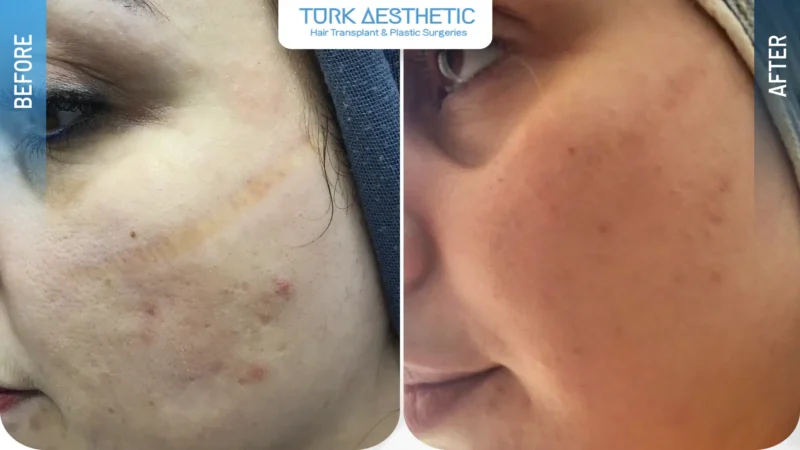
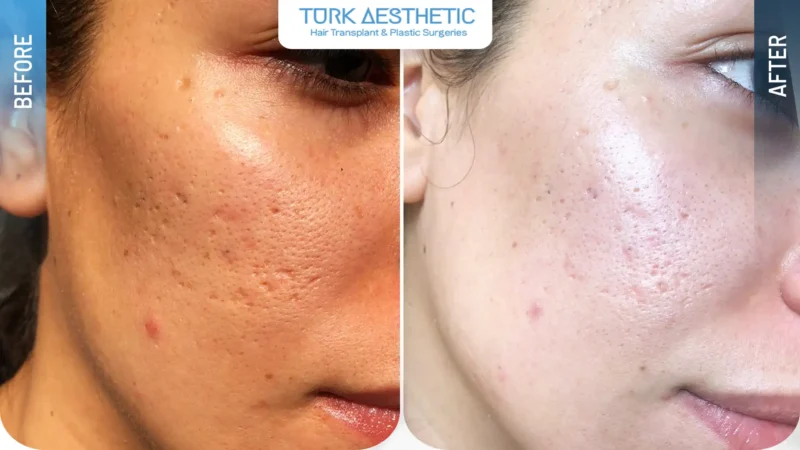
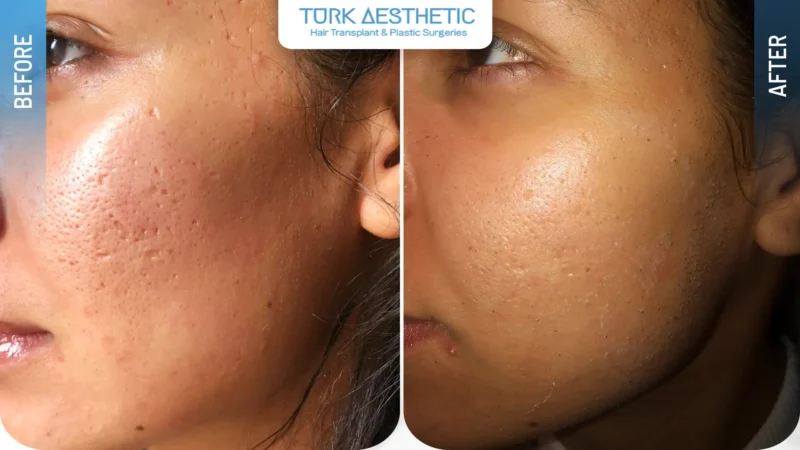
CO2 Fractional Laser Before and After
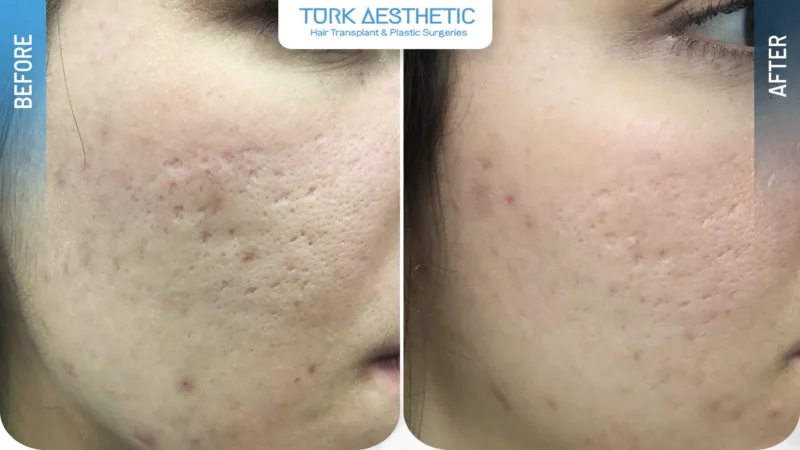
CO2 Fractional Laser before and after results vary depending on skin characteristics, the condition being treated, and treatment intensity. Gradual improvements in skin smoothness may be noticeable, particularly in areas affected by acne scars, fine lines, and uneven skin texture.
Before and after photos should be evaluated under similar lighting conditions and camera angles. Since results vary between individuals, the improvements shown in photographs may not be achievable for every patient.
Frequently Asked Questions
Is CO2 Fractional Laser painful?
Topical anesthetic cream is usually applied before treatment to help reduce discomfort. Patients may experience mild burning, warmth, or a stinging sensation during the procedure. The level of discomfort varies depending on the treatment area and laser intensity.
How many CO2 Fractional Laser sessions are needed?
The number of sessions depends on the skin concern and treatment depth. One session may be sufficient for certain superficial conditions, while deeper acne scars and more noticeable textural irregularities may require 2–4 sessions or more.
How long does a CO2 Fractional Laser session take?
Treatment usually takes approximately 20–60 minutes. The size of the treatment area and laser intensity affect the procedure duration. This estimate may not include the waiting time required for topical anesthetic cream.
How long does the face take to heal after CO2 laser treatment?
Initial healing of the skin surface usually takes 5–10 days. More intensive treatments may require 10–14 days. Complete resolution of redness can take several weeks or longer.
Can fractional laser completely remove scars?
Treatment may reduce the appearance of acne scars and other scars, but complete removal cannot be guaranteed. Results depend on scar depth, skin characteristics, and the number of treatment sessions.
When will I see CO2 Fractional Laser results?
Initial changes in skin appearance may become noticeable after the surface has healed. Improvements associated with collagen remodeling generally become more apparent within 1–3 months and may continue developing for several months.
Are CO2 Fractional Laser results permanent?
Improvements in acne scars and other scars may be long-lasting. However, natural skin aging and the effects of sun exposure continue. Therefore, the longevity of improvements in fine lines and overall skin quality varies between individuals.
Can fractional laser treatment be performed in summer?
Treatment may be performed during summer, but careful sun protection is essential. Procedures may need to be postponed on tanned or sunburned skin. Suitable timing depends on the patient’s skin type.
Does CO2 Fractional Laser thin the skin?
The laser supports controlled skin renewal and collagen production. Its purpose is to improve skin texture rather than thin the skin. However, inappropriate settings or excessively intensive treatment may cause tissue damage.
When can I wear makeup after CO2 Fractional Laser?
Makeup should be avoided until the skin surface has healed sufficiently. This usually takes 5–10 days, although the recovery period varies depending on treatment depth. Makeup should not be applied to open or crusted areas, and the treating specialist’s instructions should be followed.
Can fractional laser reduce enlarged pores?
Treatment may help enlarged pores appear less noticeable by supporting skin renewal and improving texture. However, pores cannot be expected to close completely or disappear permanently.
What is the difference between CO2 Fractional Laser and other fractional lasers?
CO2 Fractional Laser is an ablative laser that creates controlled microscopic treatment zones in the skin. Non-ablative fractional lasers produce thermal effects in deeper tissues while largely preserving the skin surface. CO2 laser generally provides more intensive resurfacing but may require a longer recovery period. The most suitable method depends on skin type and treatment needs.