


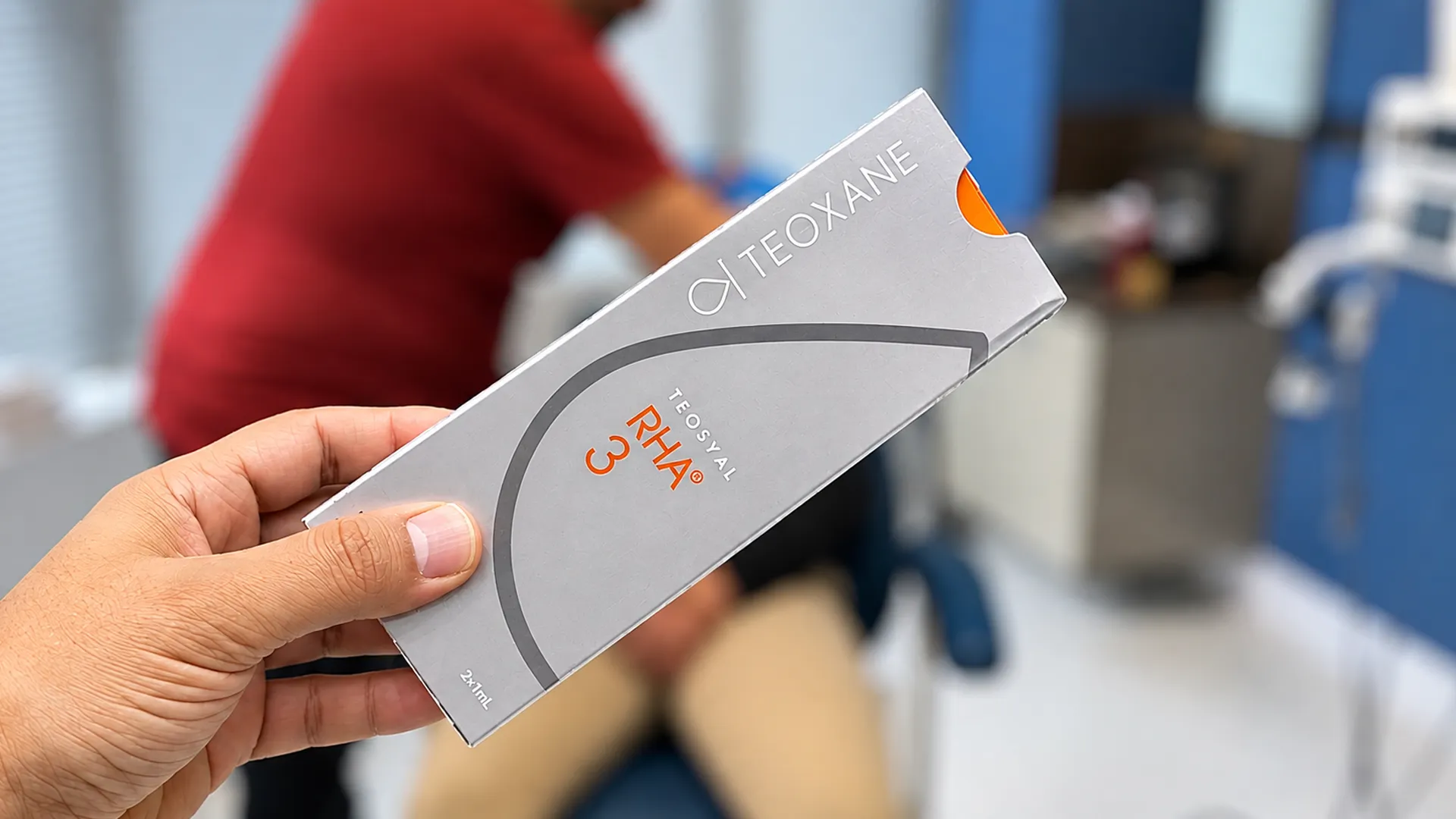
Dermal fillers are non-surgical aesthetic treatments used to restore lost volume, enhance facial contours, and create a more balanced appearance. They can be applied to areas such as the lips, cheeks, chin, jawline, nasolabial folds, and under-eye region, depending on individual facial anatomy and treatment needs.
Among the most commonly used products for facial fillers are hyaluronic acid fillers. Different types of fillers are selected according to the anatomy of the treatment area and the desired outcome. The goal is to restore volume and support facial contours while maintaining natural facial proportions.
| Procedure Type | Non-surgical aesthetic treatment |
|---|---|
| Filler Material | Usually hyaluronic acid-based fillers |
| Treatment Areas | Lips, cheeks, chin, jawline, nasolabial folds, and under-eye area |
| Procedure Duration | Usually 15–30 minutes (may vary by area) |
| Anesthesia | Topical anesthetic cream when needed |
| When Results Appear | Initial changes may be visible immediately; the final appearance becomes clearer as swelling subsides |
| How Long Results Last | Usually 6–18 months (depending on the product and treatment area) |
| Recovery Time | Most people can return to their daily activities shortly afterward |
| Number of Sessions | Usually one session; additional treatment may be considered if needed |
If you are considering filler treatment, you can explore available options, current prices, and the treatment process in our guide to dermal fillers in Turkey.
What Are Dermal Fillers?
Dermal fillers are injectable aesthetic treatments designed to add volume or restore volume loss in specific areas of the face. They may help reduce the appearance of volume changes associated with aging, genetics, or natural facial structure.
Hyaluronic acid, commonly used in facial fillers, is a substance naturally found in the body that helps retain water. Injectable hyaluronic acid products have different consistencies and structural properties. For this reason, the filler selected for a mobile area such as the lips may differ from the product used in areas requiring greater structural support, such as the jawline.
The purpose of filler treatment is not always to create additional volume. In some cases, small amounts may be used to soften transitions between facial features, improve mild asymmetry, or support specific contours. The appropriate product and amount are determined through an assessment of facial anatomy and medical history. For information about similar treatments, visit our non-surgical aesthetic procedures page.
Types of Dermal Fillers and Treatment Areas
Different types of dermal fillers are used depending on the treatment area and the desired aesthetic change. Facial fillers may be used to enhance lip volume, support the cheeks, define the jawline, or soften the appearance of certain facial lines. Because each area has different anatomical characteristics, the filler product and injection technique are selected individually.
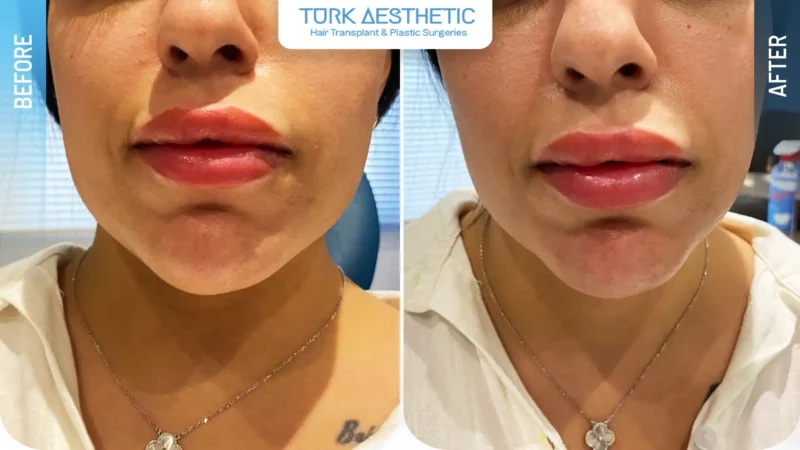
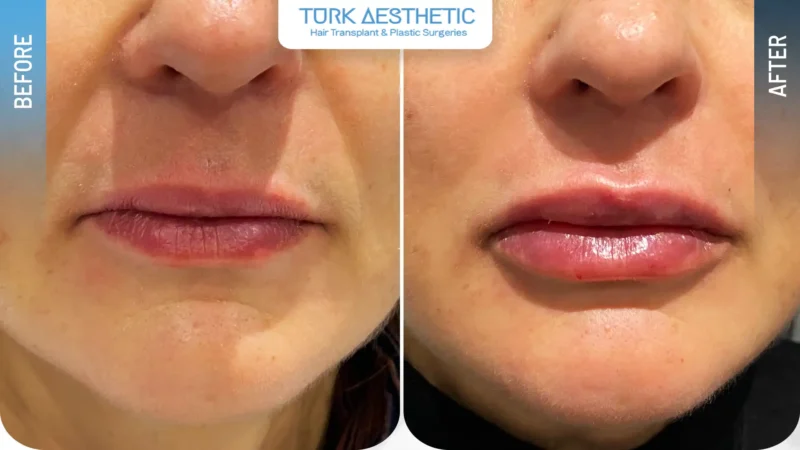
Lip Fillers
Lip fillers are used to increase lip volume, define the lip border, and improve mild asymmetry. Preserving natural lip movement and maintaining balanced proportions with the rest of the face are important considerations when planning treatment.
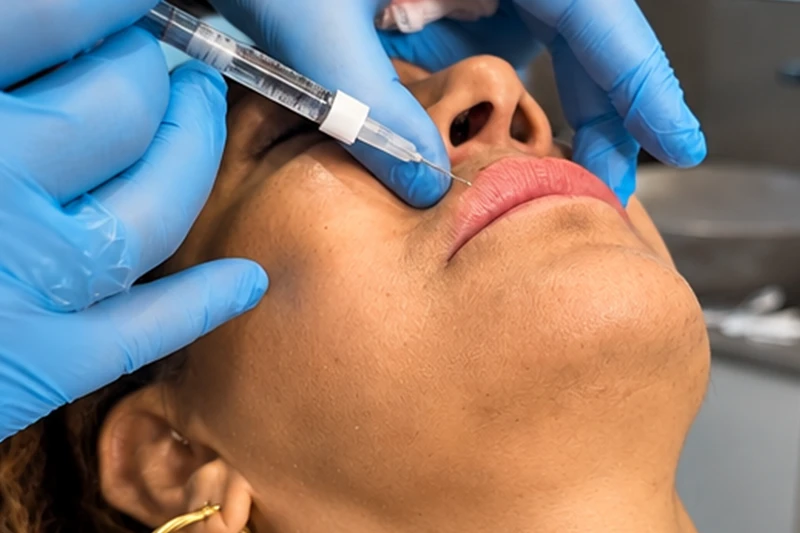
Cheek and Cheekbone Fillers
Cheek fillers may be used to restore volume in the midface and enhance the appearance of the cheekbones. The treatment aims to create more balanced facial contours while respecting the individual’s natural facial structure.
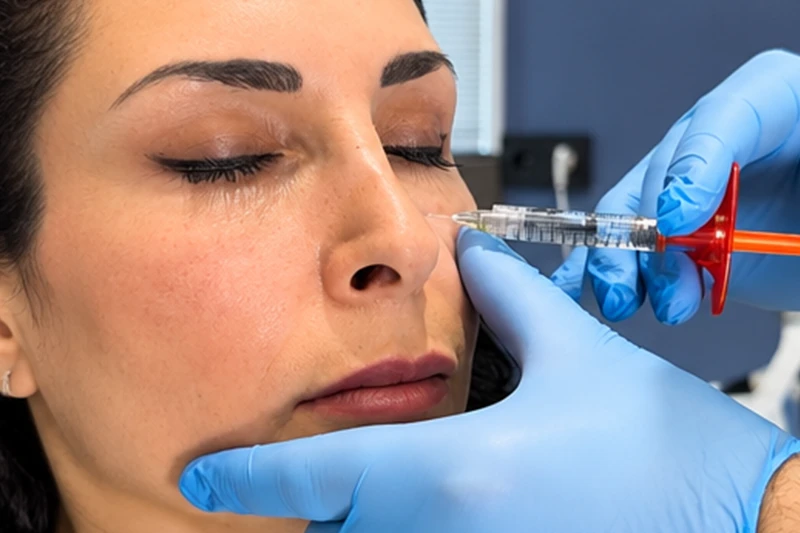
Jawline Fillers
Jawline fillers are used to enhance the definition of the lower jaw and shape the contours of the lower face. They may be considered for individuals with a less defined jawline after evaluating their facial proportions and anatomical features.
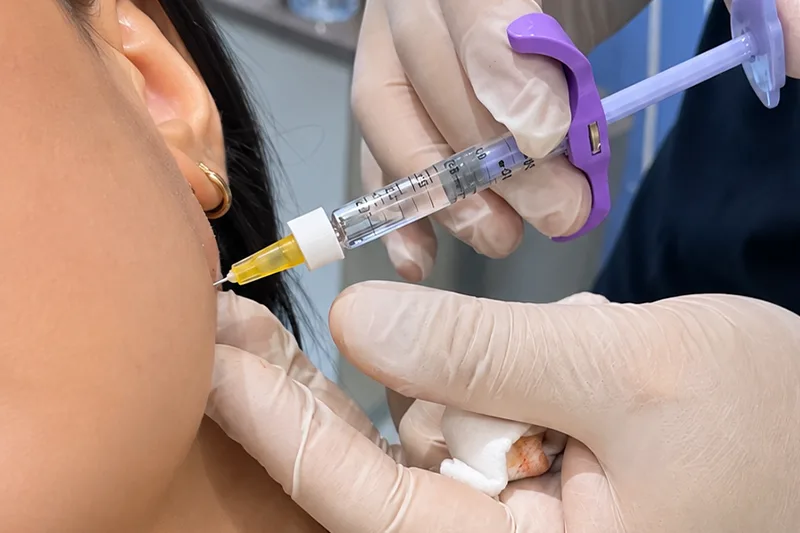
Chin Fillers
Chin fillers may be used to improve chin projection, balance the facial profile, and correct minor contour differences. Before treatment, the proportions of the chin are assessed in relation to the nose, lips, and other facial features.
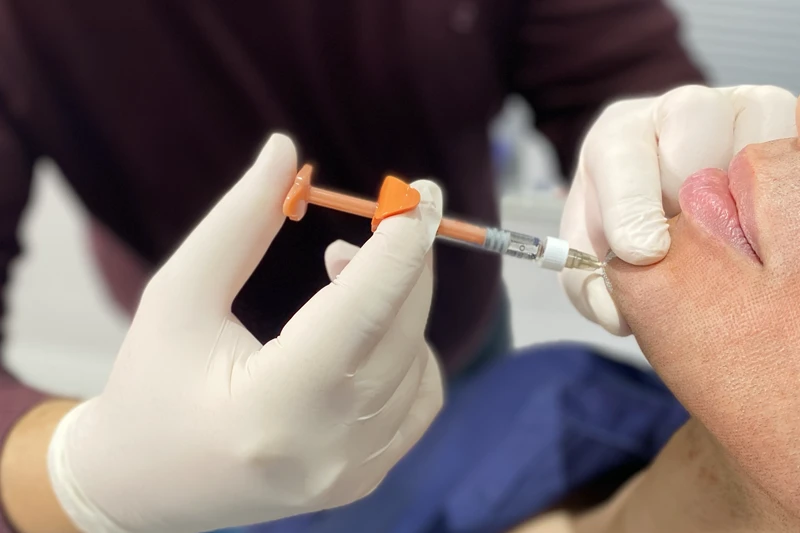
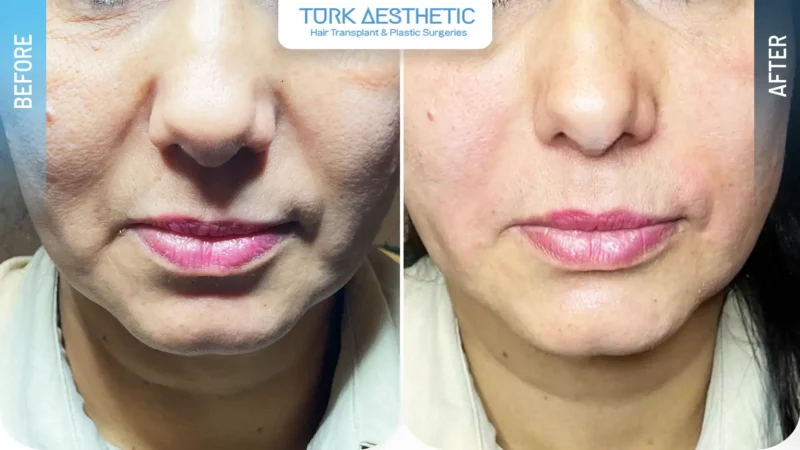
Nasolabial Fold Fillers
Nasolabial fold fillers may help soften the appearance of lines extending from the sides of the nose toward the corners of the mouth. Because these folds can be influenced by both skin characteristics and volume changes in the midface, treatment planning takes the overall facial anatomy into account.
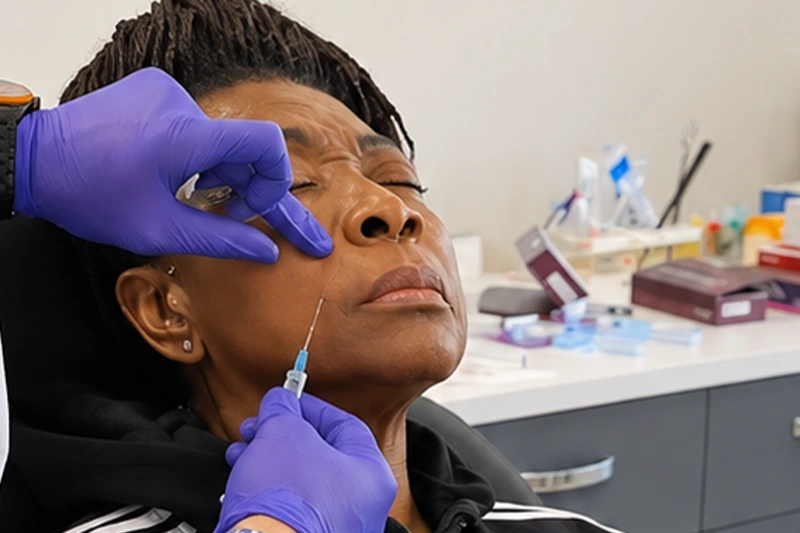
Under Eye Light Fillers
Under Eye Light Filler may be considered to reduce the appearance of hollows and shadows caused by volume loss beneath the eyes. Not all dark circles or under-eye bags can be corrected with fillers. Because of the delicate anatomy of this area, careful patient selection and product choice are essential.
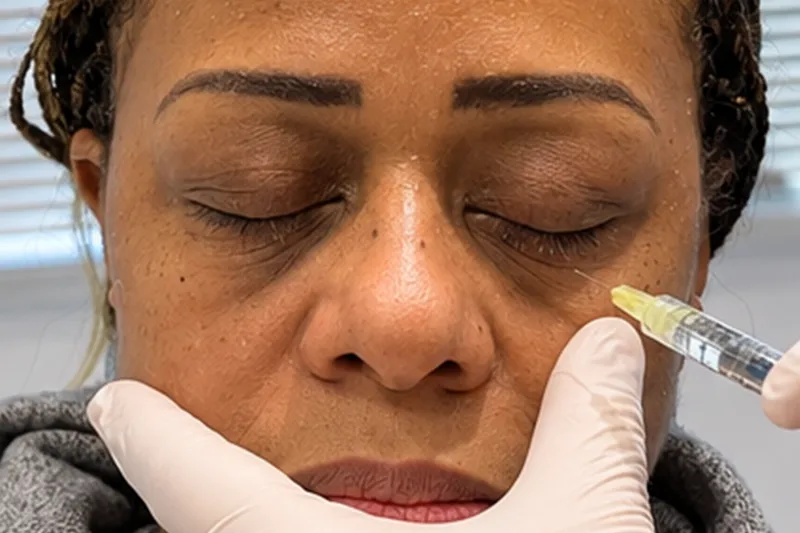
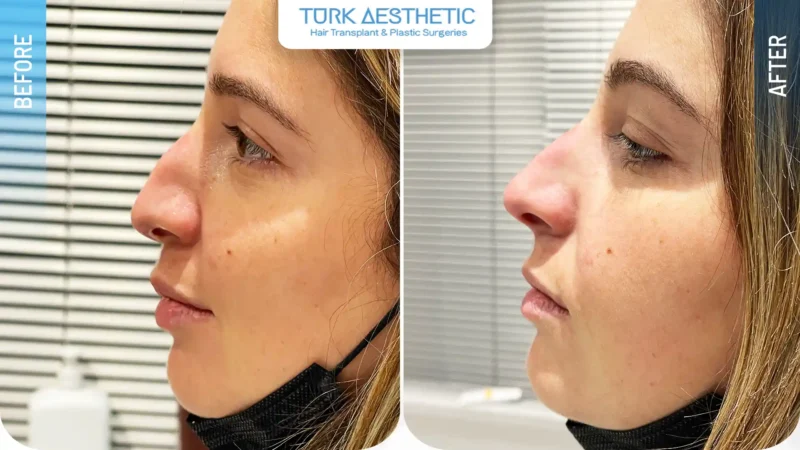
Nose Fillers
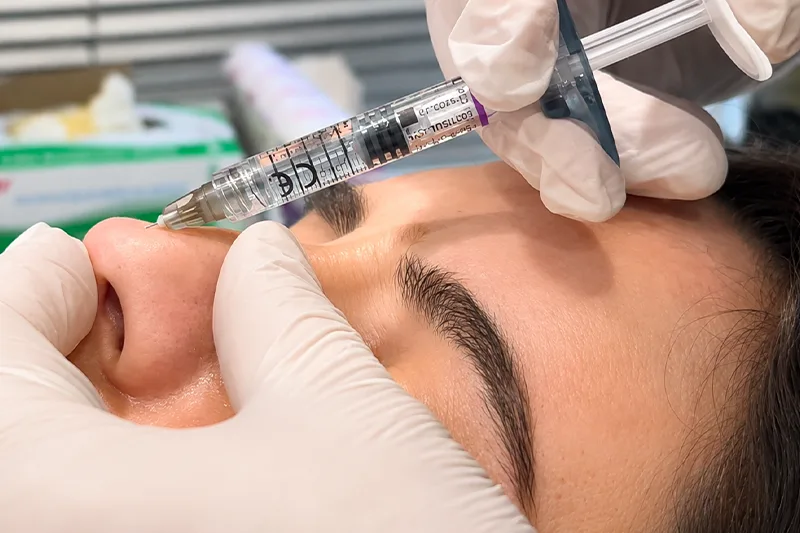
Nose fillers may be used to smooth minor contour irregularities along the nasal bridge or improve the appearance of the nasal profile in suitable patients. However, the nose is a high-risk treatment area because of its vascular anatomy. Serious complications, including vascular occlusion, tissue damage, and vision loss, can occur. For this reason, the procedure should only be considered after a thorough medical assessment.
Not every filler treatment is suitable for every patient. The most appropriate approach is to assess individual facial anatomy, expectations, and medical history, then develop a treatment plan that preserves natural facial proportions without adding unnecessary volume.
How Are Dermal Fillers Injected?
Filler treatment begins with an assessment of facial anatomy and the areas to be treated. The injection technique may vary depending on the filler properties and the desired outcome.
Total Time: 10 minutes
Facial Assessment and Treatment Planning
Facial proportions, skin characteristics, and areas of volume loss are assessed. The appropriate filler product and amount are selected based on the patient’s expectations and medical history.
Preparing the Treatment Area
The treatment area is cleaned and prepared with an antiseptic. A topical anesthetic cream may be applied when needed to improve comfort during the procedure.
Filler Injection
The selected filler is injected using a fine needle or cannula according to the anatomy of the treatment area. Injection points and the amount used are determined by the treatment plan. The procedure usually takes 15–30 minutes, although this may vary depending on the area.
Final Check and Assessment
After the injections, the treated area is examined and the initial appearance is assessed. Mild swelling or redness may occur, so some time may be needed before evaluating the final appearance. Aftercare instructions are explained to the patient.
Before and After Dermal Fillers: What to Know
Achieving a satisfactory outcome with dermal fillers depends on more than the injection technique. A proper medical assessment before treatment and following the recommended aftercare instructions are also important.
Before Filler Treatment
- Inform your practitioner about any medications, regular supplements, allergies, and existing medical conditions.
- Share details of previous filler treatments, products used, and any side effects experienced.
- Any active infection, cold sore, or significant skin inflammation in the treatment area should be assessed beforehand.
- Discuss medications that may affect bleeding or bruising risk with your doctor. Do not stop prescribed medication without medical advice.
- Set realistic expectations and make sure you understand the potential risks before treatment.
After Filler Treatment
- Avoiding strenuous exercise, saunas, and excessive heat during the first 24 hours may be recommended.
- Avoid unnecessary pressure on the treated area, and do not massage it unless advised by your practitioner.
- Mild swelling, redness, tenderness, and bruising may occur. These effects are usually temporary.
- Do not rush to assess the results during the first few days, as swelling may temporarily affect the appearance of the treated area.
- Attend recommended follow-up appointments and report any unexpected symptoms to your practitioner.
- Seek emergency medical attention if you experience severe or increasing pain, skin blanching or bluish discoloration, sudden vision changes, or neurological symptoms.
How Long Do Dermal Fillers Last?
How long dermal fillers last depends on the formulation of the product, the treatment area, and individual metabolism. Hyaluronic acid fillers are not permanent; they gradually break down in the body, and their effects diminish over time. In many cases, results may last approximately 6–18 months, although this varies from person to person.
Fillers may have a shorter-lasting effect in highly mobile areas such as the lips, while certain products used in the cheeks and chin may provide volume support for longer. Product consistency, the amount injected, and individual biological characteristics can also influence longevity.
Factors That Affect Filler Longevity
- Filler properties: The product’s formulation and hyaluronic acid characteristics may influence how long it remains in the tissues.
- Treatment area: Fillers may last for different periods in highly mobile areas of the face compared with areas that move less frequently.
- Individual factors: Metabolism, tissue structure, and biological differences can affect how long the results remain visible.
- Amount and injection technique: The volume of filler used and the tissue layer in which it is placed may influence both the appearance and duration of the results.
When Should Dermal Fillers Be Repeated?
Additional treatment may be considered when the effects of the filler begin to diminish. However, there is no need to repeat injections at fixed intervals. The decision depends on the condition of any remaining filler, the current facial appearance, and individual expectations.
Dermal Filler Risks and Side Effects
Dermal fillers are medical aesthetic procedures performed through injections and, like any medical treatment, carry potential side effects and complications. The level of risk depends on the treatment area, filler material, individual health conditions, and injection technique.
Common Temporary Side Effects
Some temporary reactions may occur after filler injections, particularly during the first few days:
- Mild swelling and redness in the treated area
- Tenderness or mild discomfort at the injection sites
- Minor bruising
- Temporary firmness or a feeling of fullness
These symptoms usually improve within a few days. However, medical assessment is necessary if they persist longer than expected or become progressively worse.
Potential Complications
Less commonly, complications such as infection, noticeable asymmetry, filler migration, nodule formation, or delayed inflammatory reactions may occur. In some cases, additional treatment or dissolving the filler may be necessary.
One of the most serious complications occurs when filler enters a blood vessel or blocks blood circulation. This can lead to tissue damage. In rare cases, injections around the nose, forehead, and eyes may cause severe complications, including vision loss.
Seek emergency medical attention immediately if you experience severe or increasing pain, sudden skin blanching or bluish discoloration, vision changes, or neurological symptoms.
How Can Dermal Filler Risks Be Reduced?
- Facial anatomy and overall health should be carefully assessed before treatment.
- Injections should be performed by a qualified healthcare professional trained in facial anatomy and complication management, in an appropriate medical setting.
- The filler product’s composition, suitability, and traceability should be verified.
- Previous filler treatments, allergies, and current medications should be disclosed to the practitioner.
- Choose a medical setting where potential complications can be managed promptly.
Appropriate patient selection, suitable filler products, and careful injection techniques can help reduce risks. However, no dermal filler procedure is completely risk-free.
Dermal Fillers Before and After
Dermal filler before and after results vary depending on the treatment area, the individual’s original facial structure, and the amount of filler used. Treatment may aim to enhance lip volume and definition, restore fullness to the cheeks, improve jawline contours, or reduce the appearance of hollows in certain areas of the face.
Initial changes are usually visible immediately after hyaluronic acid filler injections. However, temporary swelling and tenderness may affect the early appearance. It is important to allow the tissues to settle and swelling to subside before assessing the results.
Before and after photos can help illustrate the changes that may be achieved with filler treatments. However, facial anatomy differs from person to person, and the results shown in photographs cannot be guaranteed for every patient.
Frequently Asked Questions
Are dermal filler injections painful?
You may feel a mild pinching or pressure sensation during the injection. A topical anesthetic cream can be used when needed. The level of discomfort varies depending on the treatment area and individual sensitivity.
When will I see the final results?
Initial changes may be visible immediately. However, swelling and tenderness can take several days to around two weeks to settle. The appropriate time to assess the final appearance depends on the treatment area.
Can hyaluronic acid fillers be dissolved?
Yes. In suitable cases, hyaluronic acid fillers can be dissolved using an enzyme called hyaluronidase. However, this treatment also carries risks, and not all filler materials can be dissolved in the same way. Medical assessment is necessary.
Will fillers change my facial expressions?
The aim is to support facial volume or contours while preserving natural proportions. Using excessive amounts of filler or inappropriate injection techniques may result in an unnatural appearance.
What is the difference between fillers and Botox?
Fillers are used to restore volume and support facial contours. Botox temporarily reduces the activity of certain muscles to soften the appearance of expression lines.
Who may not be suitable for filler treatment?
Treatment may be postponed if there is an active infection in the injection area. Fillers may also be unsuitable during pregnancy or breastfeeding, or for people with certain allergies or medical conditions. Suitability is determined through an individual medical assessment.
How long does swelling last after fillers?
Mild swelling usually improves within the first few days, although it may last longer in sensitive areas such as the lips. Severe pain, skin discoloration, or progressively increasing swelling requires urgent medical assessment.
Can I wear makeup after filler injections?
Avoiding makeup immediately after treatment may be recommended to protect the injection sites. When you can resume wearing makeup depends on the treatment area and your practitioner’s instructions.
Do dermal fillers completely disappear over time?
Hyaluronic acid fillers gradually break down, but how long they remain in the tissues can vary. A reduction in the visible effect does not necessarily mean that the filler has completely disappeared.
Can multiple facial areas be treated in one session?
Yes, multiple facial areas may be treated during the same session in suitable patients. The total filler amount, treatment areas, and potential risks must be assessed together.