


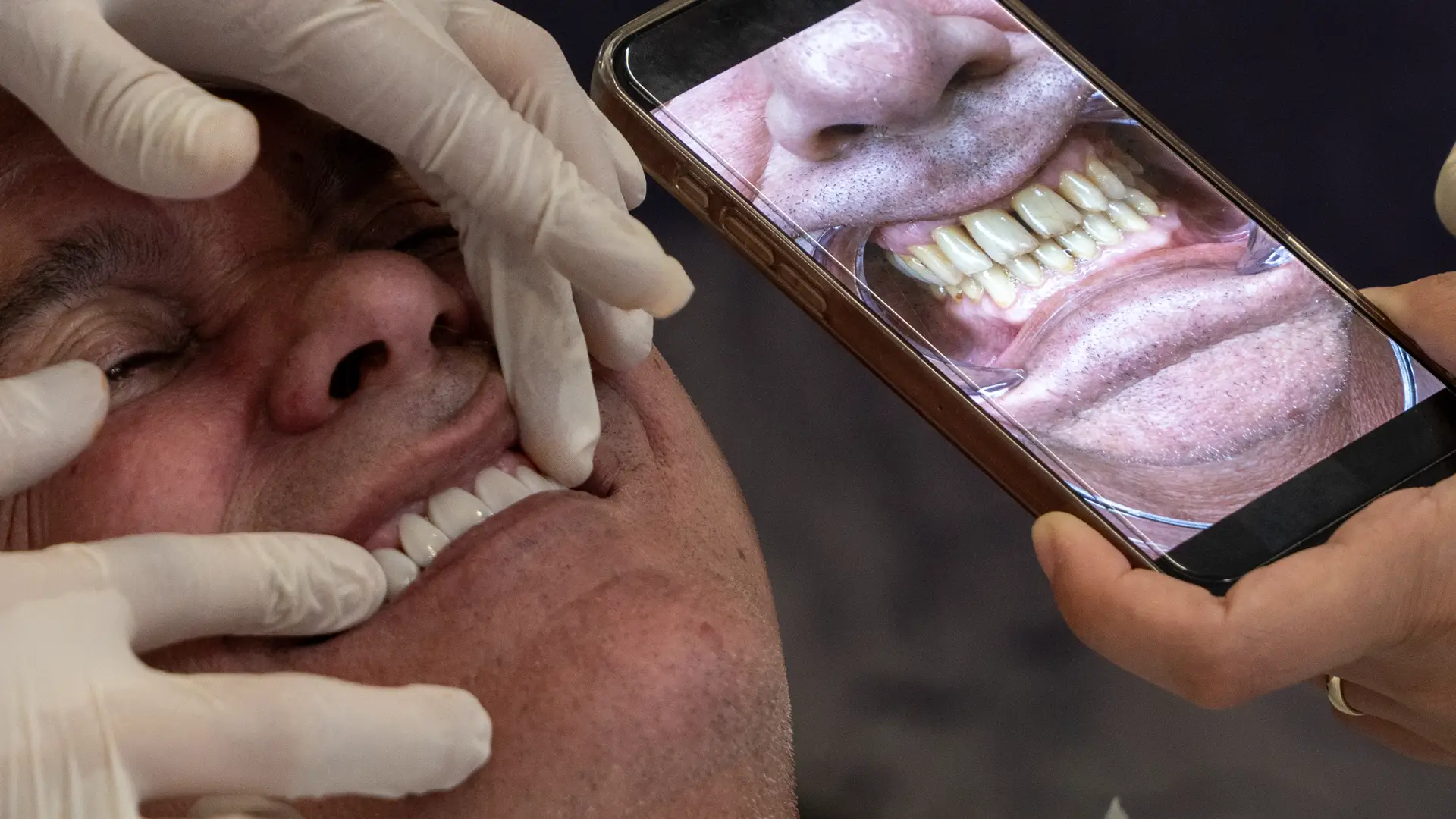
Dental veneers are thin, aesthetic shells applied to the front surface of the teeth to improve the appearance of the smile. Also known as teeth veneers or porcelain veneers, they can be used to improve tooth color, shape and size, as well as minor aesthetic irregularities between the teeth.
Veneers are planned with the aim of preserving as much natural tooth structure as possible and can help create a more balanced and natural-looking smile, particularly in the front teeth. The type of veneer and treatment plan are determined after evaluating the person’s tooth structure, oral health and aesthetic expectations.
| Information | Details |
|---|---|
| Anesthesia | Usually local anesthesia |
| Procedure Time | Varies depending on the number of teeth |
| Number of Sessions | Usually 2–3 appointments |
| Tooth Preparation | Minimal or may not be required in some cases |
| Material Used | Porcelain / Ceramic |
| Return to Daily Life | Usually the same day |
| Longevity | Depends on care and oral health |
| Follow-up | Regular dental check-ups |
For detailed information about treatment planning, the procedure and current prices, you can visit our dental veneers in Turkey page.
What Are Dental Veneers?
Dental veneers are one of the dental treatments and aesthetic procedures used to improve the appearance of the teeth. Thin porcelain or ceramic shells are placed primarily on the front surface of the teeth to improve their color, shape, size and overall aesthetic appearance.
Also known as porcelain veneers, this treatment covers only the front surface of the tooth rather than the entire tooth. Depending on the individual case, a minimal amount of enamel may be removed to create the required space. In suitable cases, treatment may be planned with very little or no tooth preparation.
The same type of veneer or preparation technique is not suitable for every patient. The existing tooth structure, enamel, bite and desired aesthetic result are evaluated to create an individualized veneer treatment plan.
Who Is Suitable for Dental Veneers?
Veneers may be considered for people who are dissatisfied with the color, shape, size or alignment of their front teeth. Suitability is determined not only by aesthetic expectations but also by the current condition of the teeth and gums.
Veneers may be considered in the following situations:
- Persistent tooth discoloration or staining
- Minor chips, cracks or wear affecting the front teeth
- Small gaps between the teeth
- Aesthetic irregularities in tooth shape or size
- Minor misalignment or an uneven appearance of the teeth
- A desire for a more balanced and aesthetic appearance of the front teeth
People with active gum disease, untreated tooth decay, severe teeth grinding or certain bite problems may need to have these conditions treated before porcelain veneers are considered. A dental examination is therefore important to assess the health of the teeth and gums before planning veneer treatment.
How Are Dental Veneers Applied?
The dental veneer procedure consists of several main stages, beginning with an assessment of the existing tooth structure and ending with the veneers being bonded to the tooth surfaces. The process is not identical for every patient; it is planned individually according to the number of veneers required, the condition of the teeth and the intended aesthetic changes.
Examination and Smile Planning
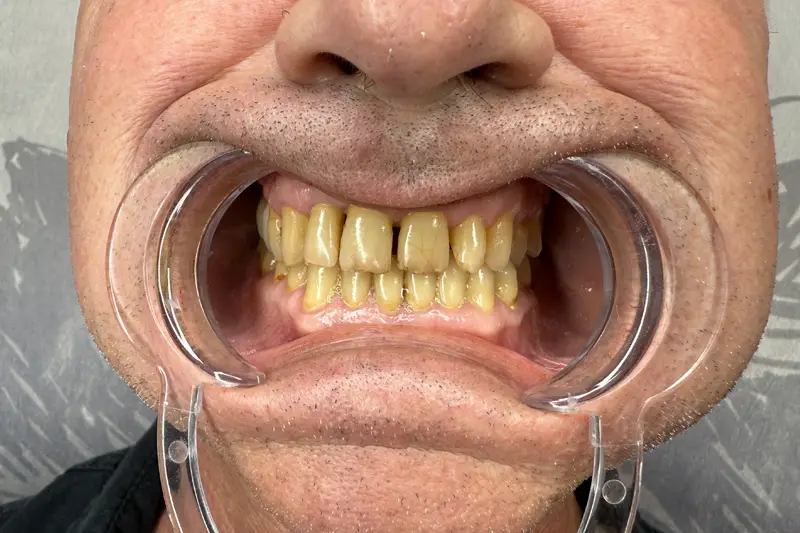
The teeth, gums and bite are evaluated during the first stage. The teeth to receive veneers are selected while considering the patient’s concerns and aesthetic expectations. Tooth color, size, shape and overall harmony are assessed together to plan a natural-looking result.
Tooth Preparation
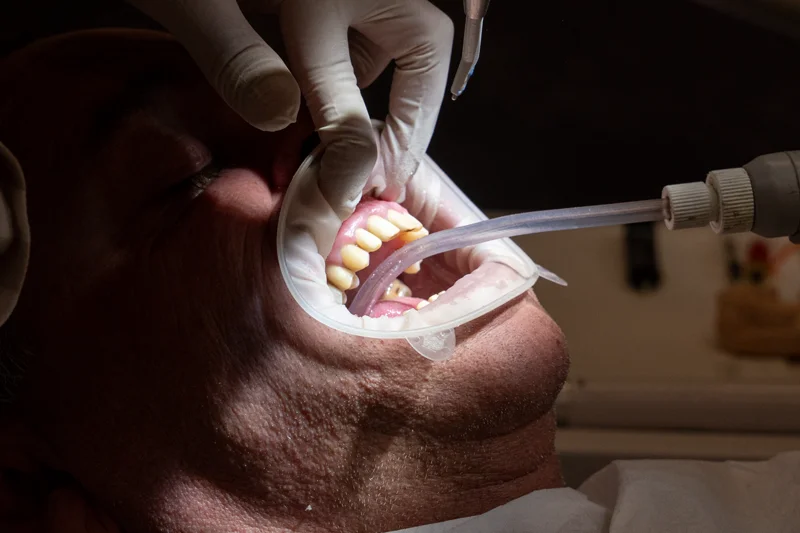
According to the treatment plan, the front surfaces of the teeth are prepared to create the space required for the veneers. The amount of enamel preparation varies depending on the tooth structure, with the aim of preserving as much natural tooth tissue as possible. In suitable cases, only minimal preparation may be necessary.
Impressions and Veneer Preparation
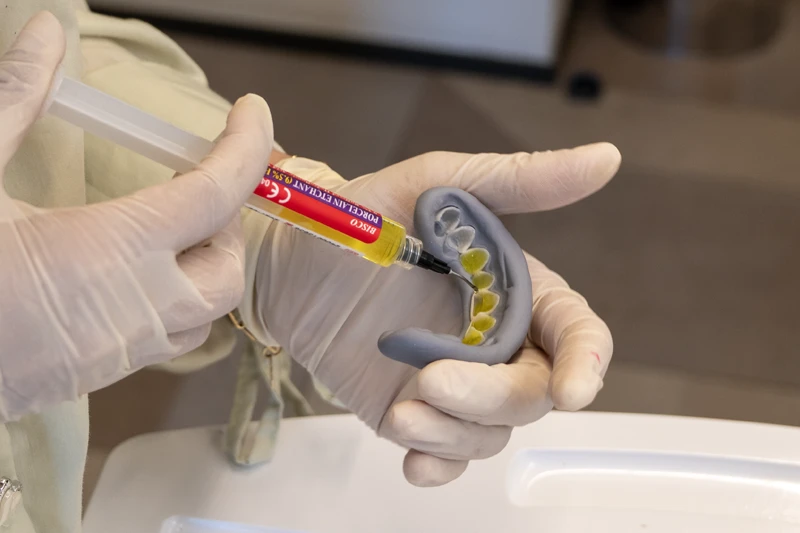
Digital or conventional impressions are taken of the prepared teeth. Based on these measurements, porcelain veneers are created to match the planned tooth shape, selected shade and smile design. Temporary restorations may be used during this stage when necessary.
Veneer Try-In and Aesthetic Check
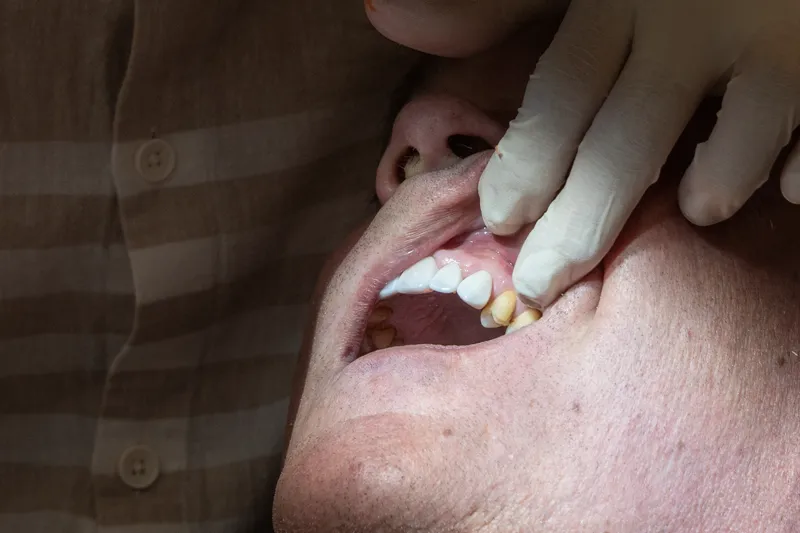
The prepared veneers are tried on the teeth before permanent bonding. Their color, shape, size, harmony with the surrounding teeth and bite are evaluated. Minor adjustments can be made before final placement if necessary.
Final Bonding of the Veneers
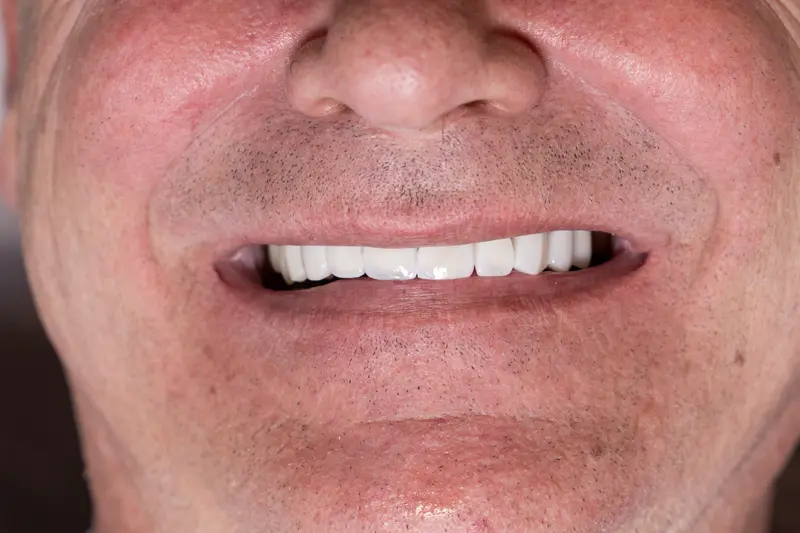
After the final checks, the tooth surfaces are prepared for bonding and the veneers are individually secured using appropriate dental materials. The bite and marginal fit are then checked again, and any necessary final adjustments are made to complete the procedure.
What Are the Types of Dental Veneers?
Types of dental veneers can vary according to the material used and the application method. The most suitable option is determined based on the existing tooth structure, desired aesthetic result, durability requirements and the dentist’s assessment.
Porcelain Veneers
Porcelain veneers are thin, custom-made porcelain shells applied to the front surfaces of the teeth. Their ability to reflect light in a way similar to natural tooth enamel and their good color stability make them a common option for improving the aesthetic appearance of the front teeth.
E-max Veneers
E-max veneers are made from lithium disilicate-based ceramic. Their ability to be produced in thin layers, together with their translucency and aesthetic properties, makes them suitable for cases where a natural-looking appearance is a priority.
Composite Veneers
Composite veneers are created by applying and shaping composite resin directly on the tooth surface rather than using a separately manufactured porcelain or ceramic shell. They can generally be completed in less time and may be easier to repair when necessary; however, their color stability and long-term durability can differ from porcelain veneers.
Before Dental Veneers
Healthy teeth and gums are important before dental veneer treatment so that the procedure can be planned appropriately. During the initial assessment, the tooth structure, enamel, bite and the aesthetic features the patient would like to change are evaluated together.
The main points considered before treatment include:
- Evaluating tooth decay and existing fillings
- Checking gum health
- Identifying teeth clenching or grinding habits
- Assessing the bite and how the teeth come together
- Determining the number of veneers required
- Planning tooth color, shape and size to complement the smile
- Clarifying the patient’s expectations and desired aesthetic result
If active tooth decay or gum disease is detected, these conditions may need to be treated before porcelain veneers are applied. If a change in the color of the natural teeth is also planned, additional procedures such as teeth whitening may be considered before the final veneer shade is selected.
After Dental Veneers
Most people can return to their daily routine shortly after the procedure. Temporary sensitivity of the teeth or gums may occur, particularly with hot or cold foods and drinks, but this usually decreases over time.
To protect the veneers during the first few days and allow the mouth to adapt, several points should be considered:
- Avoid biting directly into very hard foods with the veneers during the first few days.
- Continue regular oral and dental hygiene.
- Use dental floss carefully without placing excessive pressure on the gums or veneer margins.
- Avoid biting pens, fingernails or other hard objects with the teeth.
- If teeth clenching or grinding is present, a protective night guard may be used if recommended by the dentist.
- If the bite feels uncomfortable or unusual movement of a veneer is noticed, the dentist should be consulted.
It may take a short time to become accustomed to porcelain veneers and the new shape of the teeth. Regular oral care and dental check-ups help protect both the veneers and the natural tooth structure over the long term.
Advantages of Dental Veneers
Veneers are commonly used to improve the aesthetic appearance of the front teeth. Their thin structure and the ability to preserve as much natural tooth tissue as possible are among their main characteristics.
The main advantages include:
- They can help improve the color, shape and size of the teeth.
- The thin porcelain structure can provide results that closely resemble the appearance of natural teeth.
- They can be used to improve small gaps between teeth and minor irregularities in tooth shape.
- In suitable cases, they can be applied with minimal preparation of the natural tooth structure.
- Porcelain surfaces are more resistant to staining than natural tooth enamel.
- They can be customized in color, size and shape to complement the person’s teeth and smile.
- With proper oral care and regular dental check-ups, they can remain functional for many years.
The same benefits cannot be expected in every patient. Results may vary depending on the initial condition of the teeth, the veneer material used, the application technique and oral care habits.
Side Effects and Disadvantages of Dental Veneers
Although dental veneers are generally well tolerated, some temporary side effects may occur after treatment. There are also certain disadvantages that should be considered according to the individual’s tooth structure and oral condition.
- Temporary tooth sensitivity to hot and cold foods or drinks may occur after the procedure.
- Short-term sensitivity or discomfort may occur around the gums.
- If enamel has been removed during tooth preparation, this process cannot be reversed.
- Veneers may crack, break or become detached when exposed to excessive force.
- An improper bite or teeth clenching and grinding may affect the longevity of the veneers.
- A difference in color between the veneers and natural teeth may develop over time.
- If marginal fit or oral hygiene is inadequate, tooth decay or gum problems may develop around the veneered teeth.
Appropriate patient selection, careful treatment planning and regular oral care can help reduce these risks. A dental check-up is recommended if persistent sensitivity, pain, discomfort when biting or movement of a veneer is noticed.
Dental Veneers Before and After
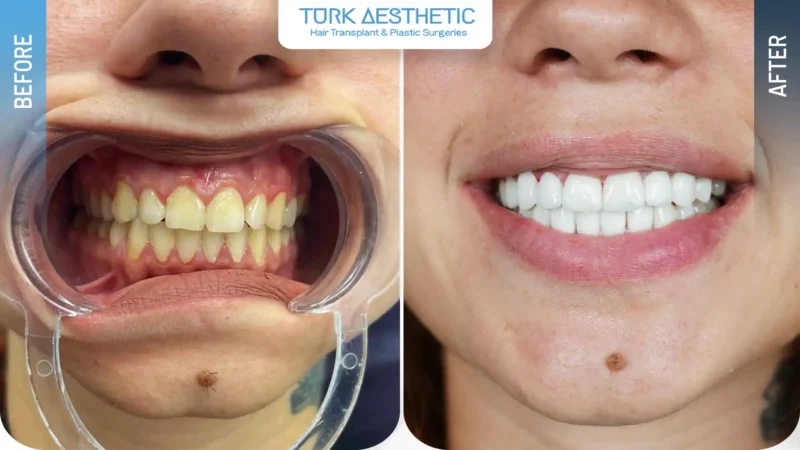
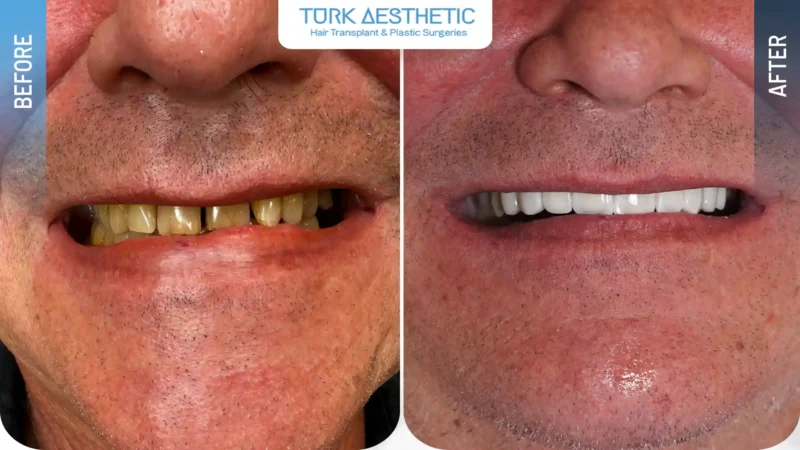
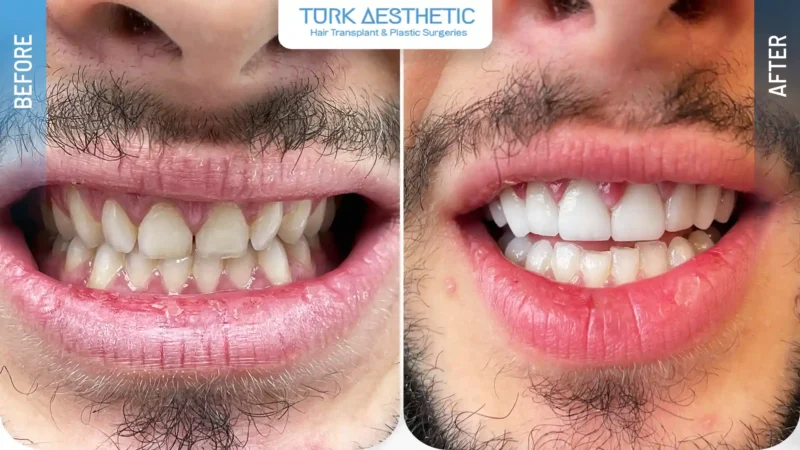
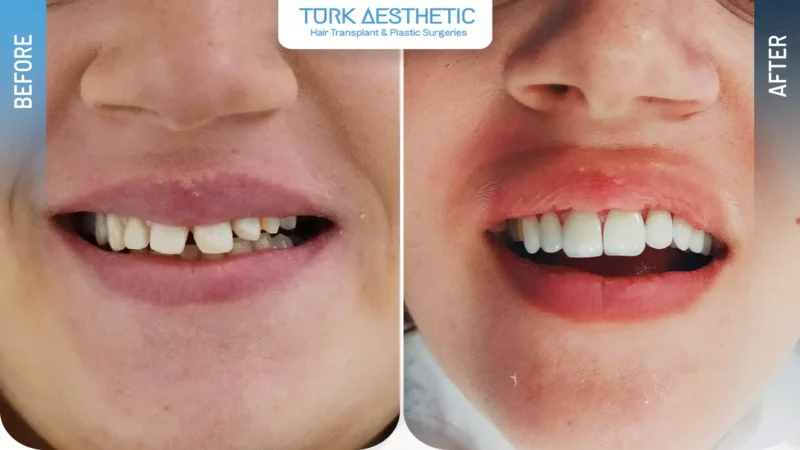
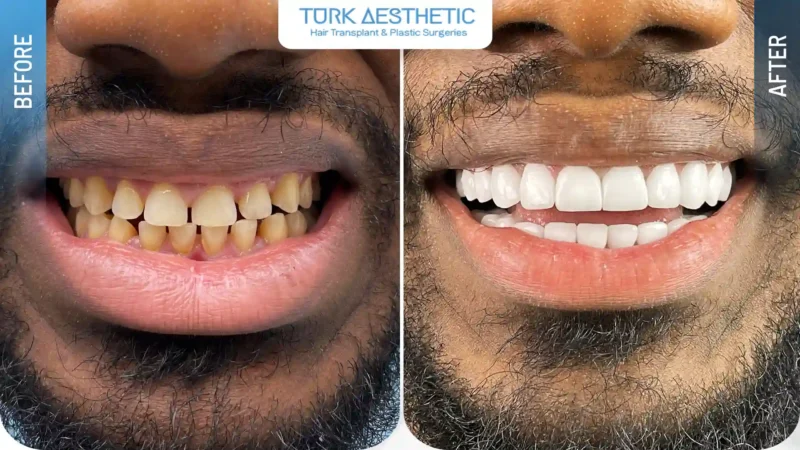
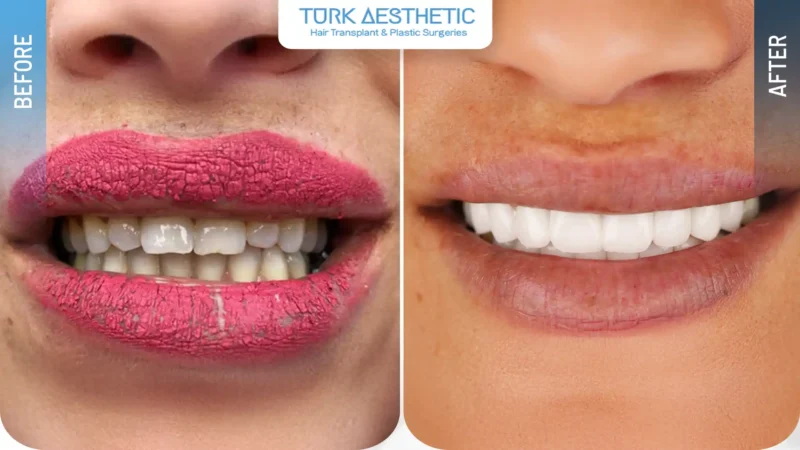
The difference between before and after treatment varies from person to person depending on the initial color, shape, size and alignment of the teeth. Veneer treatment aims to create a more balanced, harmonious and natural-looking smile, particularly in the front teeth.
Porcelain veneers can help improve discoloration, minor chips and cracks, small gaps between the teeth and certain irregularities in tooth shape. The shade and shape of the veneers are planned according to the person’s natural teeth, facial features and smile characteristics.
The dental veneers before and after photos below show the changes achieved in real cases. Since each patient’s tooth structure and treatment plan are different, results may vary from person to person.
Frequently Asked Questions About Dental Veneers
What are dental veneers?
Dental veneers are thin porcelain or ceramic shells applied to the front surfaces of the teeth as an aesthetic dental treatment. They can be used to improve tooth color, shape, size and overall appearance.
How are dental veneers applied?
After the teeth and gums are evaluated, smile planning is carried out. When necessary, the tooth surfaces are minimally prepared, impressions are taken and custom veneers are created. After the try-in and aesthetic checks, the veneers are bonded to the teeth.
Do teeth need to be shaved for veneers?
The amount of tooth preparation required depends on the existing tooth structure and the type of veneer planned. In some cases, a minimal amount of enamel is removed, while suitable cases may require very little or no tooth preparation.
Are dental veneers painful?
Local anesthesia may be used during the procedure when necessary. Some people may experience temporary sensitivity to hot or cold foods and drinks after treatment.
How long does the dental veneer procedure take?
Treatment time varies depending on the number of teeth and the veneer preparation process. Several appointments may be required for examination, tooth preparation, impressions, try-in and final placement.
How long do dental veneers last?
The longevity of veneers depends on the material used, oral care, bite and individual habits. Regular oral hygiene and dental check-ups can help maintain the veneers over time.
Do dental veneers stain or turn yellow?
Porcelain and ceramic veneers are more resistant to staining than natural tooth enamel. However, the natural tooth structure around the veneers may change color over time, making regular oral care important.
Can dental veneers fall off or break?
Properly applied veneers are securely bonded to the tooth surface. However, excessive forces caused by biting very hard objects, trauma or teeth grinding can cause veneers to crack, break or become detached.
What is the difference between dental veneers and zirconium crowns?
A veneer is generally a thin restoration that covers the front surface of the tooth. A zirconium crown usually surrounds a larger portion of the tooth. The appropriate option is determined according to the tooth structure and treatment needs.
Are dental veneers suitable for everyone?
No. People with active gum disease, untreated tooth decay, severe teeth grinding or certain bite problems may first need these conditions to be evaluated and treated when necessary.