


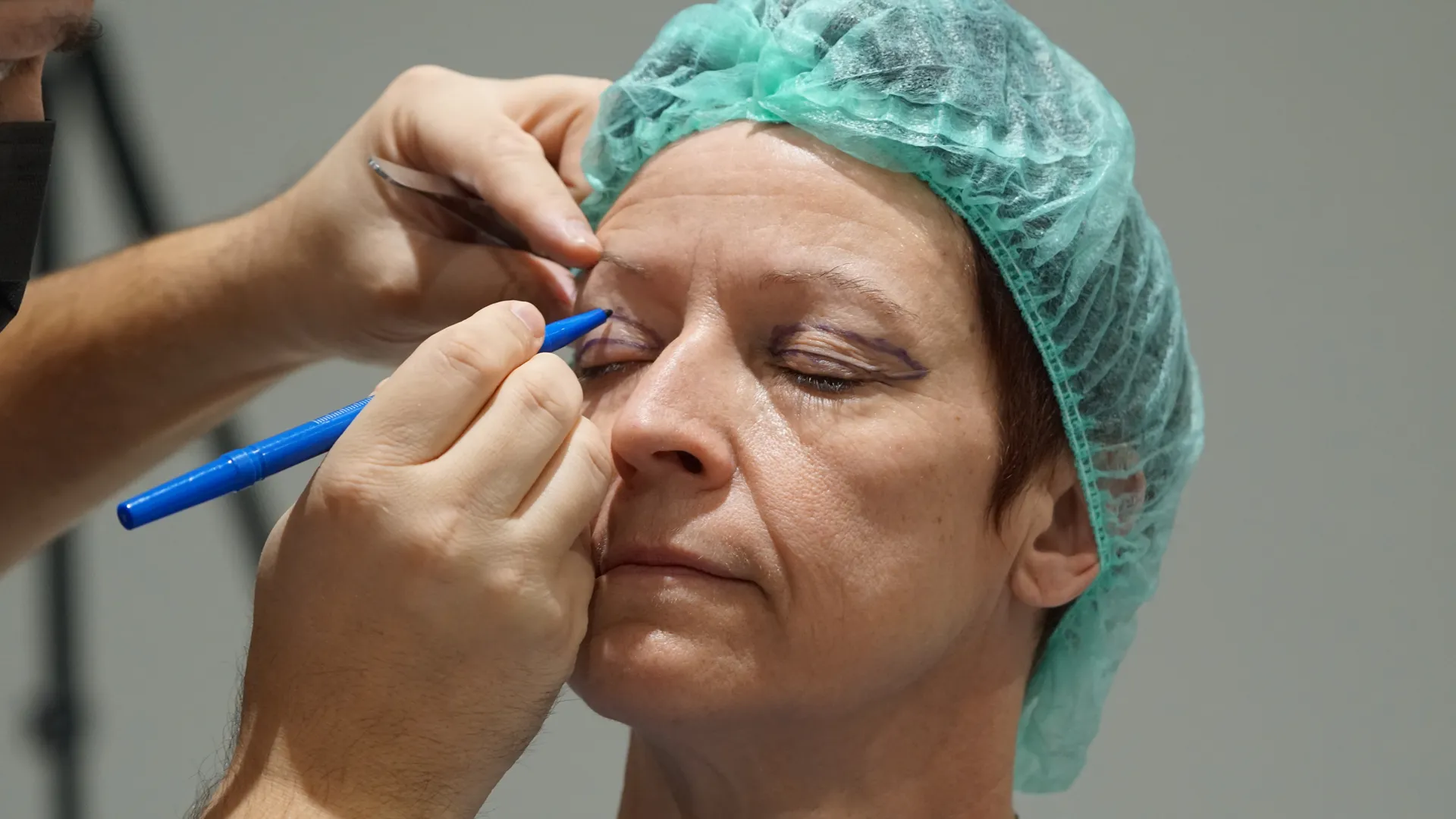
Eyelid surgery (blepharoplasty) is a surgical procedure designed to address excess skin, fat deposits and puffiness affecting the upper and lower eyelids due to ageing, genetics and tissue laxity. Sagging upper eyelids can create a tired or heavy appearance and, in advanced cases, may restrict the field of vision and affect daily life. Under-eye bags and excess lower-eyelid skin can also make the eye area appear noticeably tired.
The procedure is planned according to the patient’s needs and may involve the upper eyelids, lower eyelids or both. Excess skin may be removed, while fat can be removed or repositioned to create a smoother transition around the eyes. The aim is not to change the facial expression, but to achieve a natural, well-rested appearance while improving eyelid function when necessary.
| Information | Details |
|---|---|
| Treatment Area | Upper eyelids, lower eyelids or both |
| Anaesthesia | Local anaesthesia, sedation or general anaesthesia |
| Procedure Time | Usually 45 minutes to 2 hours |
| Hospital Stay | Usually discharged the same day; an overnight stay may be required in some cases |
| Return to Daily Activities | Usually within 7–14 days |
| Bruising and Swelling | Usually decrease noticeably within 10–14 days |
| Initial Results | Usually visible within 2–4 weeks as swelling subsides |
| Final Result | Becomes more apparent within a few months |
| Longevity | Long-lasting, although the natural ageing process continues |
| Scarring | Incisions are placed within the natural eyelid creases, and scars gradually fade |
For detailed information about how the procedure is performed, the factors affecting cost and the treatment process, visit our Eyelid Surgery in Turkey page.
Why Is Eyelid Surgery Performed?
Eyelid surgery can reduce signs of ageing around the eyes and improve eyelid function when necessary. Ageing, genetic factors and reduced skin elasticity may lead to sagging of the upper eyelids and puffiness or laxity of the lower eyelids.
The procedure is commonly considered for:
- Excess skin and sagging of the upper eyelids
- Under-eye bags and prominent fat deposits
- Loose skin of the lower eyelids
- A tired or heavy appearance around the eyes
- Excess skin restricting the field of vision
- Noticeable differences between the eyelids
Not every drooping eyelid can be corrected with blepharoplasty. True eyelid drooping caused by weakness of the eyelid-lifting muscle, known as ptosis, may require a different or additional surgical procedure. The appropriate treatment is determined after a detailed medical examination.
What Are the Types of Eyelid Surgery?
Eyelid surgery may be performed on the upper eyelids, lower eyelids or both, depending on the patient’s needs. The surgical plan is determined according to the amount of excess skin, the position of the fat, the eyelid structure and the expected outcome.
Upper Eyelid Surgery
Upper eyelid surgery is performed to address excess skin and, when necessary, fat deposits. The incision is usually placed within the natural eyelid crease so that the resulting scar becomes less noticeable over time.
Lower Eyelid Surgery
Lower eyelid surgery is performed to address under-eye bags, prominent fat deposits and loose skin. The incision is usually placed just below the lower lash line, and fat may be removed or repositioned according to the patient’s needs.
Upper and Lower Eyelid Surgery
When necessary, the upper and lower eyelids can be treated during the same operation. Addressing both areas together aims to create a more balanced and harmonious appearance around the eyes.
Who Is a Suitable Candidate for Eyelid Surgery?
Eyelid surgery may be considered for women and men with excess skin, sagging or puffiness affecting the upper or lower eyelids. Rather than a specific age limit, suitability depends on the eyelid structure, general health and the patient’s expectations.
The procedure may be considered in the following cases:
- Noticeable excess skin or sagging of the upper eyelids
- Upper-eyelid skin restricting the field of vision
- Lower-eyelid puffiness and prominent fat deposits
- A persistently tired or heavy appearance around the eyes
- General health suitable for surgery
- Realistic expectations about the results
People with dry eyes, glaucoma, thyroid disease or true eyelid ptosis require a detailed assessment before surgery. As blepharoplasty cannot correct every concern affecting the eye area, the treatment plan should be tailored to the individual patient.
Assessment and Preparation Before Eyelid Surgery
Before eyelid surgery, the upper and lower eyelids are assessed for excess skin, fat deposits, muscle structure, eyebrow position and eyelid closure. When necessary, dry eyes and the field of vision may also be evaluated to create an individual surgical and anaesthesia plan.
The doctor should be informed about existing health conditions, previous operations and all medications being used. Blood-thinning medicines, certain painkillers and herbal supplements should not be stopped without medical approval.
Before surgery:
- Smoking should be stopped or limited for the period recommended by the doctor.
- Instructions concerning fasting and medication use should be followed.
- Transport home and assistance after surgery should be arranged.
The surgical technique is determined according to the eyelid area being treated, the extent of the procedure and the patient’s general health.
How Is Eyelid Surgery Performed?
Eyelid surgery is performed in several key stages planned according to the patient’s eye structure and the areas being treated.
Total Time: 1 hour and 30 minutes
Examination and Surgical Planning
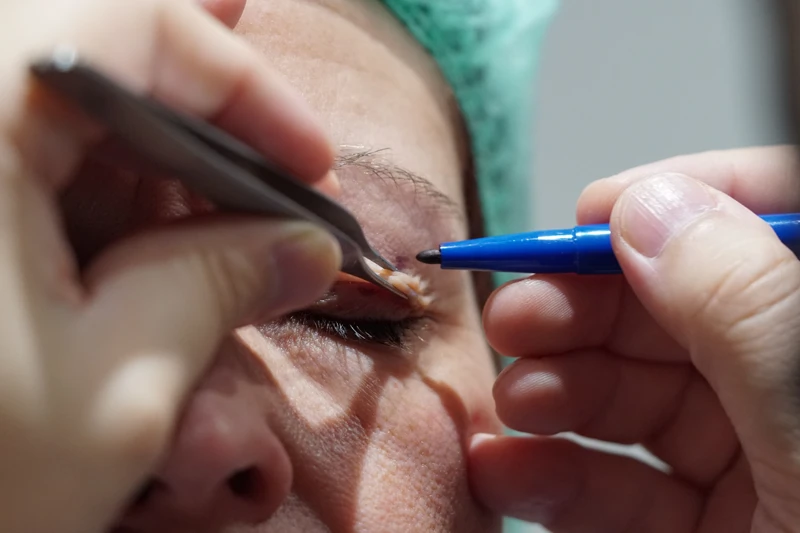
The upper and lower eyelids are assessed for excess skin, fat deposits and eyelid structure. The tissues to be removed or repositioned are identified, and the incision sites are marked.
Administering Anaesthesia

Local anaesthesia, sedation or general anaesthesia may be used depending on the extent of the procedure. The appropriate method is selected according to the patient’s health and the areas being treated.
Creating the Incisions
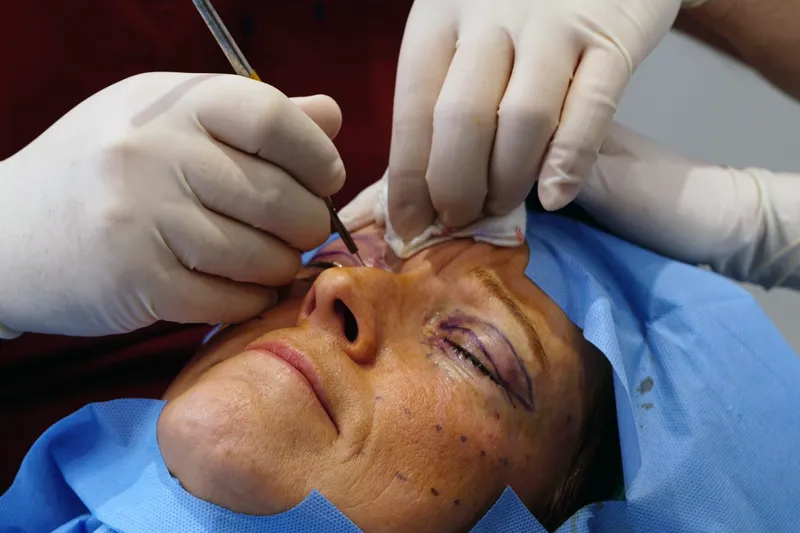
The upper-eyelid incision is usually placed within the natural crease, while the lower-eyelid incision is positioned just below the lash line. This helps the resulting scars become less noticeable over time.
Adjusting the Skin and Fat
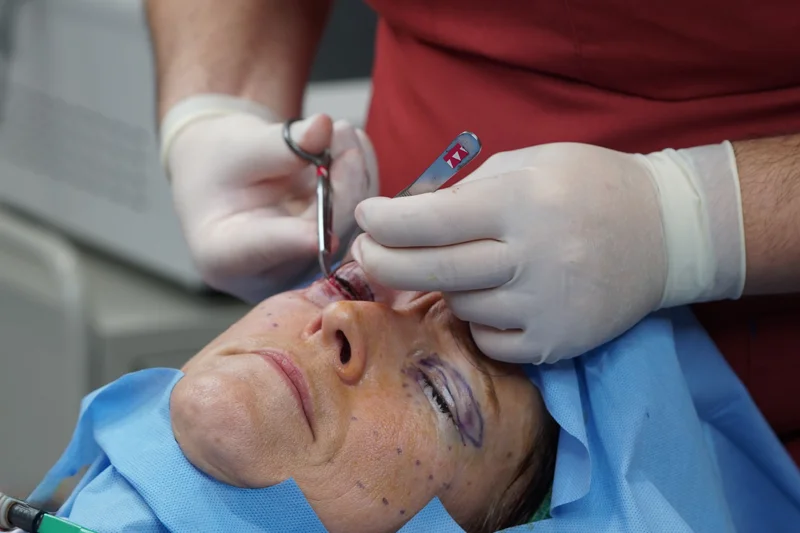
The planned amount of excess skin is removed. Fat may be removed or repositioned according to the patient’s needs to create a smoother transition around the eyes.
Closing the Incisions
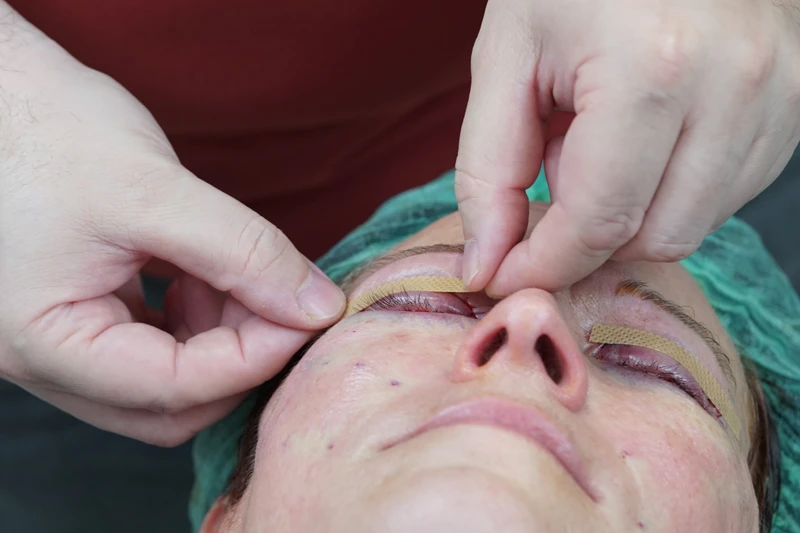
Once the necessary adjustments are complete, the incisions are closed with fine sutures. Depending on the technique, the sutures may dissolve naturally or be removed during a follow-up appointment.
Estimated Cost: 1450 EUR
Recovery After Eyelid Surgery
Swelling, bruising and mild tightness are normal after eyelid surgery. The speed of recovery may vary depending on the extent of the procedure and the patient’s individual healing response.
| Period | What to Expect | Recommendations |
|---|---|---|
| First 24–48 hours | Swelling, bruising, mild tightness and temporary blurred vision may occur. | Keep the head elevated, apply cold compresses as recommended by the doctor and use the prescribed medication. |
| First week | Swelling and bruising begin to decrease. Sutures may be removed during a follow-up appointment or may dissolve naturally. | Avoid strenuous exercise, bending forwards, rubbing the eyes and wearing contact lenses. |
| 7–14 days | Most patients can return to their daily and social activities. Mild swelling may continue. | Wear sunglasses and protect the eye area from sunlight. |
| First few months | Incision scars gradually fade, and the final result becomes more apparent. | Attend follow-up appointments and follow the care instructions provided by the doctor. |
Patients travelling from another city or country should plan their return journey according to their doctor’s approval. When appropriate, follow-up may continue through online consultations.
Aftercare Instructions Following Eyelid Surgery
Following the doctor’s aftercare instructions can support a more comfortable recovery and help reduce the risk of complications.
- Sleep with the head elevated during the first few days.
- Apply cold compresses only as recommended by the doctor.
- Use prescribed eye drops, ointments and medications regularly.
- Do not rub the eyes or apply pressure to the incision area.
- Avoid contact lenses until the doctor confirms they can be used.
- Avoid strenuous exercise, bending forwards, swimming and lifting heavy objects.
- Protect the eye area from sunlight and wear sunglasses outdoors.
- Limit smoking and alcohol, as they may negatively affect healing.
- Do not stop or restart blood-thinning medication without the doctor’s approval.
- Do not miss scheduled follow-up appointments.
Seek medical attention without delay if you experience severe or increasing eye pain, a sudden change in vision, significant bleeding, shortness of breath or rapidly increasing swelling on one side.
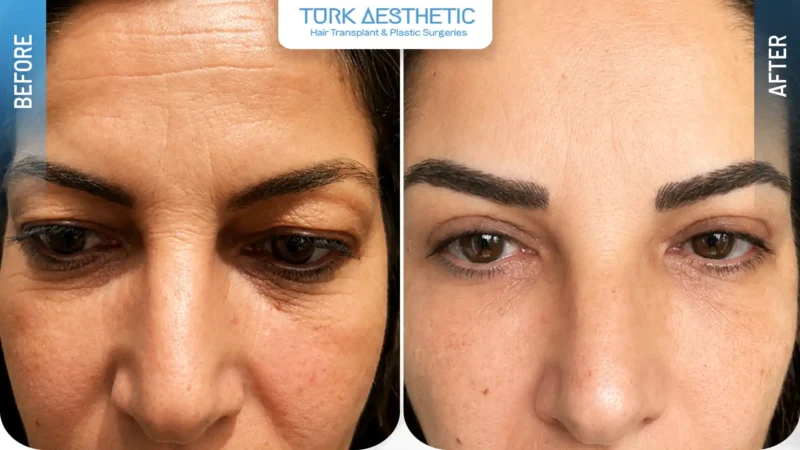
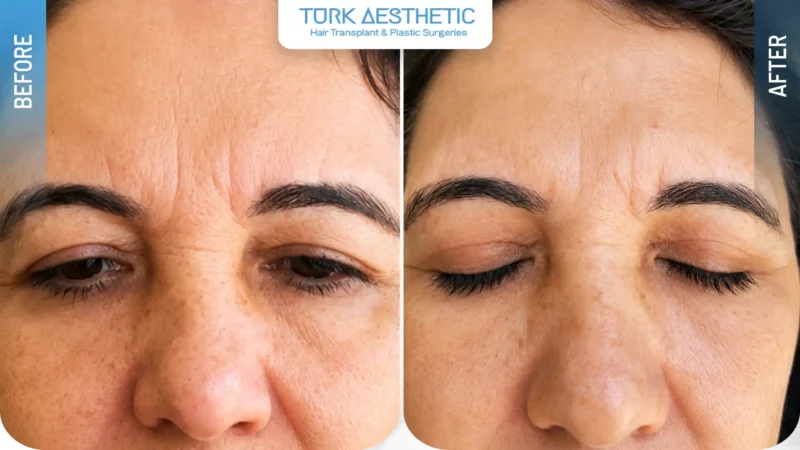
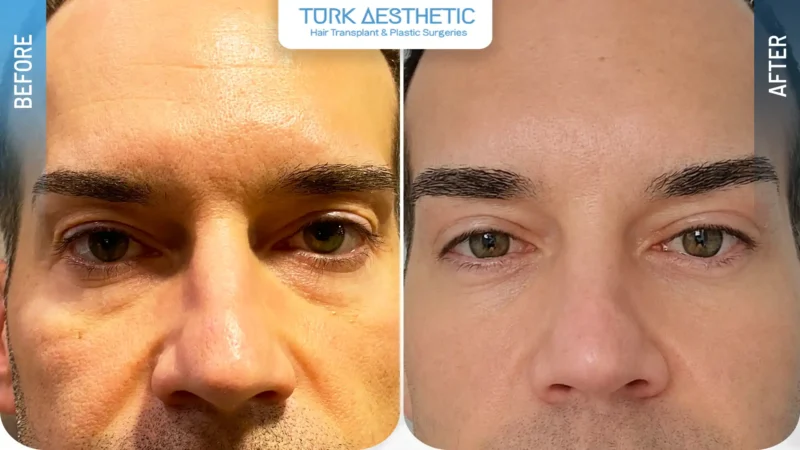
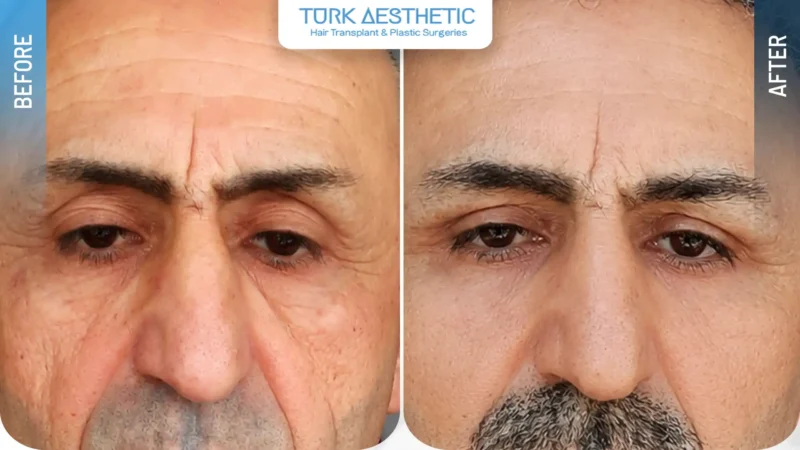
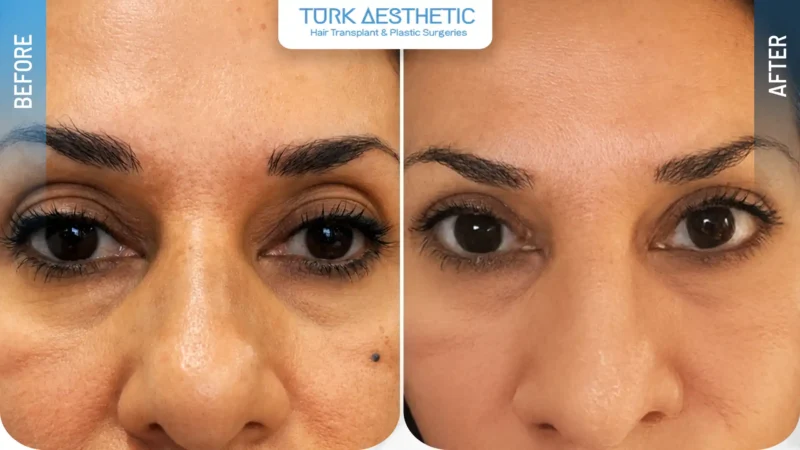
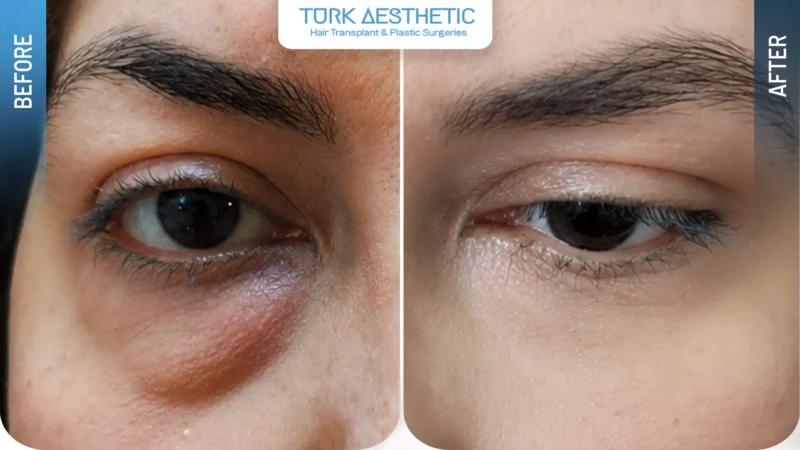
Eyelid Surgery Before and After
Before-and-after eyelid surgery photographs can help illustrate the changes that may be achieved in the upper and lower eyelids. Results vary according to the patient’s eye structure, the amount of excess skin, the surgical technique and the healing process.
The examples below show results from different patients who underwent upper eyelid surgery or combined upper and lower eyelid procedures. The photographs are provided for informational purposes and do not guarantee an identical individual result.
“`html
Risks and Possible Complications
Swelling, bruising, tenderness, watery eyes and temporary blurred vision may occur after surgery. These effects usually decrease during the recovery period.
Possible complications include:
- Bleeding or infection
- Dryness and irritation of the eyes
- Temporary difficulty closing the eyelids
- Asymmetry or noticeable scarring
- Outward turning of the lower eyelid
- The need for an additional corrective procedure
Serious vision problems are very rare. Seek urgent medical attention if you experience a sudden change in vision, severe pain, significant bleeding or rapidly increasing swelling.
Frequently Asked Questions
Is eyelid surgery painful?
Anaesthesia is used to prevent pain during surgery. Mild tenderness, tightness or a burning sensation may occur afterwards and can usually be managed with medication recommended by the doctor.
How long does eyelid surgery take?
The procedure usually takes between 45 minutes and 2 hours. The duration depends on whether the upper eyelids, lower eyelids or both are treated and on the extent of the procedure.
Is blepharoplasty performed under local or general anaesthesia?
Upper-eyelid procedures may be performed under local anaesthesia, while general anaesthesia may be used for more extensive lower-eyelid or combined operations. The method is selected individually.
When can I return to work after eyelid surgery?
Most patients can return to work and social activities within 7–14 days. The timing may vary depending on the extent of the procedure, the healing process and the nature of the patient’s work.
When do swelling and bruising subside?
Swelling and bruising are usually more noticeable during the first few days and decrease significantly within 10–14 days. Mild swelling may take longer to resolve completely.
When are the results of eyelid surgery visible?
Initial changes usually become visible within a few weeks as swelling and bruising subside. Scars may take several months to fade and the final result to become apparent.
Are the results of eyelid surgery permanent?
The results are generally long-lasting. However, surgery does not stop the natural ageing process, and the eye area may gradually develop further laxity and changes over time.
Does eyelid surgery leave scars?
The upper-eyelid incision is placed within the natural crease, while the lower-eyelid incision is usually positioned just below the lash line. Scars may be visible initially but gradually fade as healing progresses.
Can upper and lower eyelid surgery be performed together?
Yes. If the patient’s needs and general health are suitable, the upper and lower eyelids may be treated during the same operation. The need to combine both procedures is determined after an examination.
Can eyelid surgery affect vision?
If excess upper-eyelid skin restricts the field of vision, surgery may provide functional improvement. Temporary blurred vision may occur afterwards; sudden or persistent changes in vision require urgent medical assessment.
What is the appropriate age for blepharoplasty?
There is no fixed age limit for blepharoplasty. Suitability depends on the eyelid structure, the degree of concern, general health and the patient’s expectations.
Can eyelid surgery be combined with other procedures?
For suitable patients, the procedure may be combined with a brow lift or facelift. The decision to combine treatments is made after an examination.
To find out whether eyelid surgery is suitable for you or to ask our specialist team about the treatment process, please contact us through our contact page. Our team will help assess your needs and answer your questions.